
This project's goal is to assess the environmental and health impacts of large-scale copper and cobalt mining.
This project investigates the environmental and public health impacts of large-scale copper and cobalt mining in the Democratic Republic of Congo, a region that supplies the majority of the world’s cobalt used in electric vehicle batteries. This initiative is carried out in collaboration with RAID, Afrewatch, and the University of Lubumbashi.
The Democratic Republic of Congo is the world’s largest producer of cobalt, supplying roughly three quarters of global production. Cobalt is an essential component of lithium-ion batteries, which are used in electric vehicles and electronic devices.As the demand for cobalt continues to grow with the global energy transition, mining activities in the country’s Copper-Cobalt Belt – and particularly in Kolwezi and surrounding regions – have rapidly expanded over the last 15 years. While the scientific community is working to identify sustainable alternatives to cobalt in batteries, its demand is expected to remain high in the medium term.
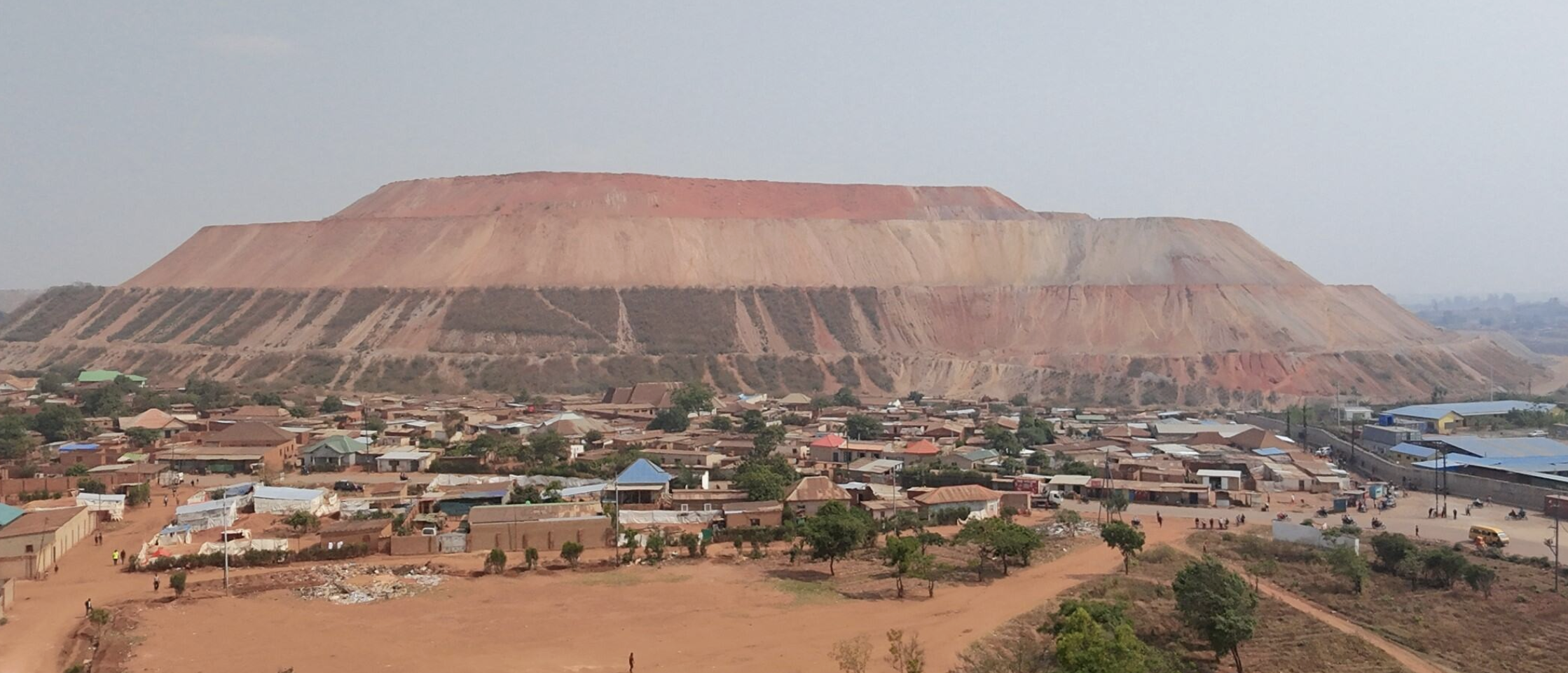
The Democratic Republic of Congo is the world’s largest producer of cobalt, supplying roughly three quarters of global production. Cobalt is an essential component of lithium-ion batteries, which are used in electric vehicles and electronic devices.
As the demand for cobalt continues to grow with the global energy transition, mining activities in the country’s Copper-Cobalt Belt – and particularly in Kolwezi and surrounding regions – have rapidly expanded over the last 15 years. While the scientific community is working to identify sustainable alternatives to cobalt in batteries, its demand is expected to remain high in the medium term.
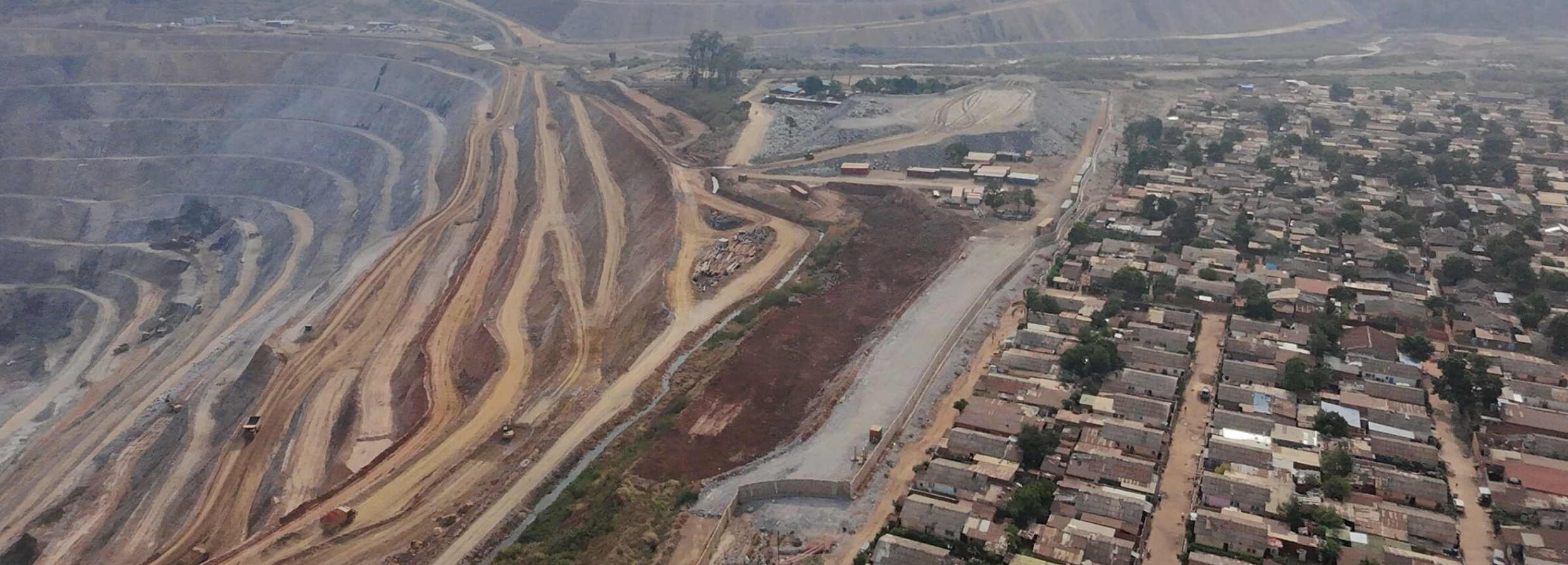
Photo taken by Flaviano Bianchini during the first campaign.
In 2025, Source International joined forces with RAID, Afrewatch, and the University of Lubumbashi to strengthen the evidence base on environmental pollution in the Copper–Cobalt Belt.
During the first joint campaign (October 2025), we focused on air monitoring, a topic that has been overlooked by previous publicly available studies. We also collected water and sediment samples to complement the campaign from the University of Lubumbashi. We worked across several communities, including Kolwezi, villages near Lake Kando, and Fungurume.
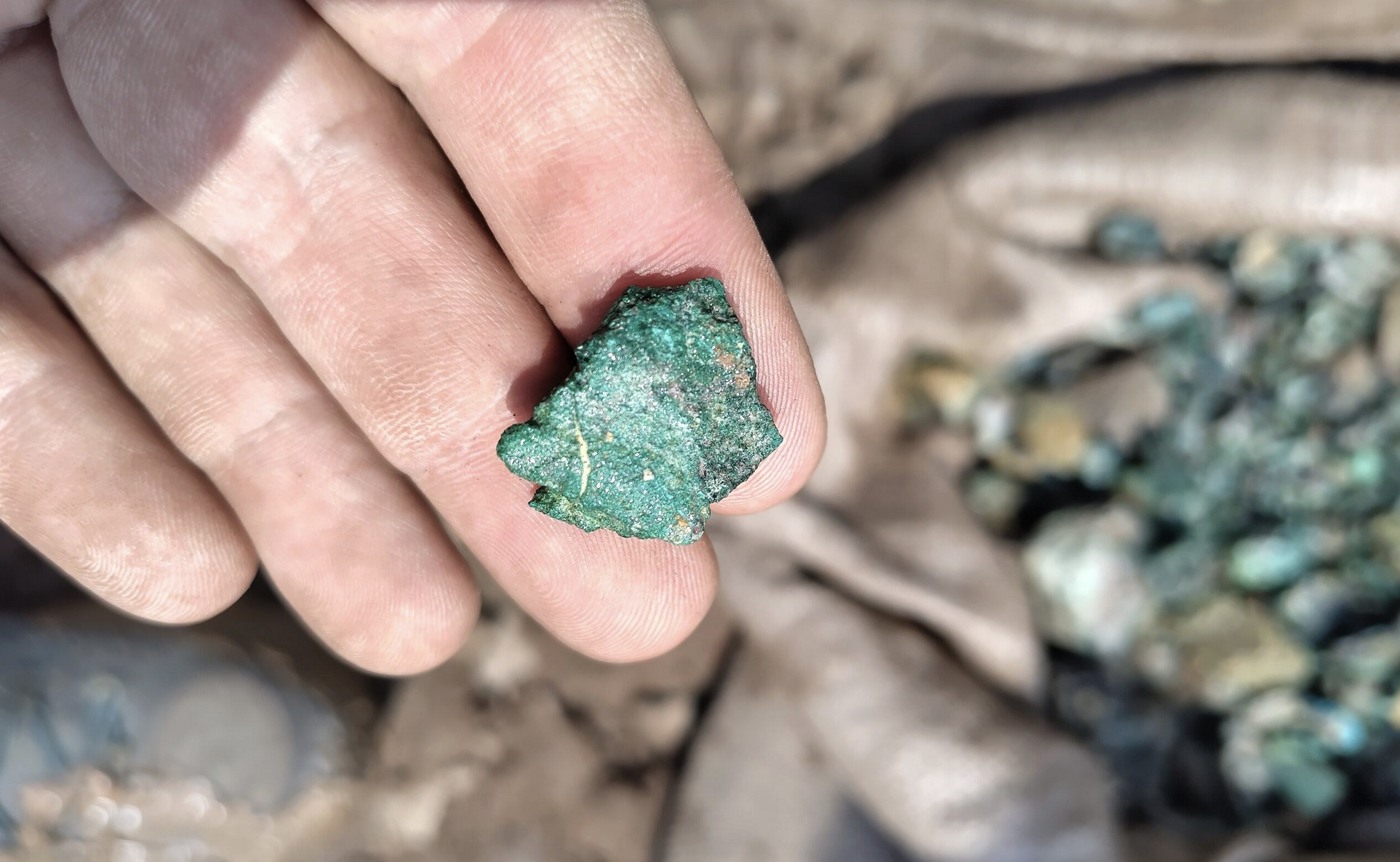
In June 2026, Source International, RAID, AFREWATCH and researchers from the University of Lubumbashi published four independent scientific reports documenting widespread pollution in air, water and sediments around large-scale copper and cobalt mines in Lualaba Province.
To our knowledge, Source International’s air quality assessment provides the first independent measurement of particulate matter pollution in the region. At every site that we monitored, daily concentrations of PM2.5 and PM10 exceeded the guidelines from the World Health Organization. In some locations, PM2.5 was more than six times above the WHO daily limit. Likewise, and 98% of hourly PM2.5 measurements were above health-based guidelines.
Inhalable dust samples contained more cobalt, copper and manganese that expected based on the composition of local soils, strongly pointing to industrial mining residues as the primary source of pollution. Other possible sources, including traffic, domestic burning and artisanal mining, were assessed but considered unlikely to be the main contributors.
Our water and sediment studies also documented serious contamination. Across rivers and lakes, we found elevated concentrations of copper, cobalt, and manganese, with concentrations exceedin in several instances international standards for the protection of aquatic life. All domestic water sources were up to 100 times more acidic than recommanded by most international legislation. A well in Pierre Muteba II (Kolwezi) located closest to a tailings storage facility was particularly polluted, with manganese concentrations up to 14 times the WHO limit. Given manganese's neurotoxicity, this result is concerning.

One of the most concerning sites was the Galaxy School in Kolwezi, located less than 500 metres from a large mining waste dump linked to COMMUS operations.
At this school, we recorded some of the highest pollution levels of our air quality study. Daily PM2.5 and PM10 exceeded the WHO guidelines, while chemical analysis of inhalable dust found elevated concentrations of cobalt and copper above limits that we expect to be safe. Children are particularly vulnerable to air pollution because their lungs are still developing and they breathe more rapidly than adults.
The Galaxy School was the only educational facility included in the study but not the only one near mining operations in Kolwezi and Fungurume. This case highlights a broader risk: children in mining-affected communities are growing up in environments where exposure to toxic dust and contaminated water is part of daily life.

Our scientific findings confirm what communities have been reporting for years. Testimonies collected by RAID and AFREWATCH from more than 150 residents and medical staff describe contaminated water, choking dust, declining fish populations, failing crops and worsening health.
Likewise, residents living near mining operations report persistent coughing, nosebleeds, eye irritation and headaches, with symptoms worsening during the dry season. Women describe miscarriages, menstrual disruption and reproductive health problems they associate with pollution. Local medical professionals also report seeing cases that may be linked to air pollution.
While the scientific studies did not directly measure health outcomes, the consistency between environmental data, community testimony and clinical observations points to the urgent need for an independent epidemiological health assessment.
The minerals extracted in the DRC’s Copper-Cobalt Belt do not remain in the country. They enter global supply chains and are used in electric vehicle batteries, renewable energy infrastructure, electronics, defence industries and, increasingly, the data centres powering artificial intelligence.
The energy transition cannot be considered clean if it is built on polluted rivers, toxic dust and communities left without access to safe water or adequate health protection. Responsible supply chains require transparent monitoring, meaningful engagement with affected communities, independent health assessments and concrete action to prevent and remedy harm.

Together with RAID and AFREWATCH, Source International is calling on mining companies to fund an urgent, independent health assessment of affected communities, publish their environmental monitoring data, and take immediate action to reduce dust and effluent at source.
Mining companies should make their Environmental and Social Impact Assessments publicly available, provide clean water to communities whose sources have been contaminated, and implement credible pollution reduction and remediation plans. The DRC government should enforce existing environmental law, including the “polluter pays” principle, and ensure that no new permits or expansions are approved for operations that have not demonstrated compliance with environmental obligations.
Downstream companies, investors and financial institutions connected to cobalt and copper supply chains must use their leverage to ensure that the harms documented in these reports are addressed. Due diligence cannot be fulfilled by audits alone: it requires transparent data, community participation and measurable improvements over time.

Before publication, RAID, AFREWATCH and Source International shared the four scientific studies with CMOC, the majority shareholder of Tenke Fungurume Mining (TFM); Glencore, which operates Mutanda Mining (MUMI); and Zijin Mining, which operates COMMUS.
The companies were given two weeks to review the findings and submit comments, clarifications or additional information. We informed them that any substantive observations received within the deadline would be reflected in our public communications. All three companies accessed the reports.
In the interest of transparency, we summarise below the responses received and provide access to the companies’ full statements where available.
Tenke Fungurume Mining submitted an eight-page written response to the scientific findings, which can be read in full here. TFM states that its operations comply with DRC law and international standards, including ISO 14001 and Copper Mark certification, and that its own air- and water-quality monitoring remains within applicable limits. The company argues that environmental conditions in Lualaba are shaped by multiple factors, including natural geology and artisanal mining, and that the studies do not establish a direct link between TFM’s activities, the contamination identified and community health impacts. However, TFM’s response does not address the PM2.5 findings that underpin the health-risk assessment in Source International’s air-quality report, nor the findings of the studies led by Professors Kaniki and Banza. Although the company shared three years of PM10 data, it provided no equivalent PM2.5 measurements, despite both pollutants being included in IFC ambient air-quality guidelines.The studies do not claim definitive epidemiological proof of causation, but they document serious contamination associated with significant health risks. This reinforces the need for independent, company-funded health screening in affected communities.
Glencore, which operates Mutanda Mining, provided the following response: “MUMI is committed to managing its environmental impacts and risks and to achieving consistent environmentally responsible performance through continuous improvement, in accordance with the Glencore Environment Policy. MUMI monitors its emissions to air and water in accordance with Glencore standards, which seek to meet or exceed local regulation. We acknowledge the findings in the reports, and will consider these in our environmental management systems. We note, however, the challenges associated with isolating the impacts of an individual mine amongst multiple operations and illegal mining activities present in the area, and encourage the authors to give this due consideration.” Glencore’s statement is reproduced in full.
Zijin Mining, which operates COMMUS, requested additional time to respond after the original deadline had passed. No written observations were received within the timeframe available before publication.
The scientific reports with the results of our October 2025 field campaign are available for download here.
Explore the key findings from our work in the Democratic Republic of Congo through concise summaries and videos, available in multiple languages.
In this webinar, Flaviano Bianchini and Rachele Ossola from Source International, together with representatives from RAID and AFREWATCH present the findings of the scientific studies on air, water and sediment pollution in the Democratic Republic of Congo’s Copper-Cobalt Belt. Watch the recording to learn how the research was conducted, what the results reveal and what they mean for mining-affected communities.


