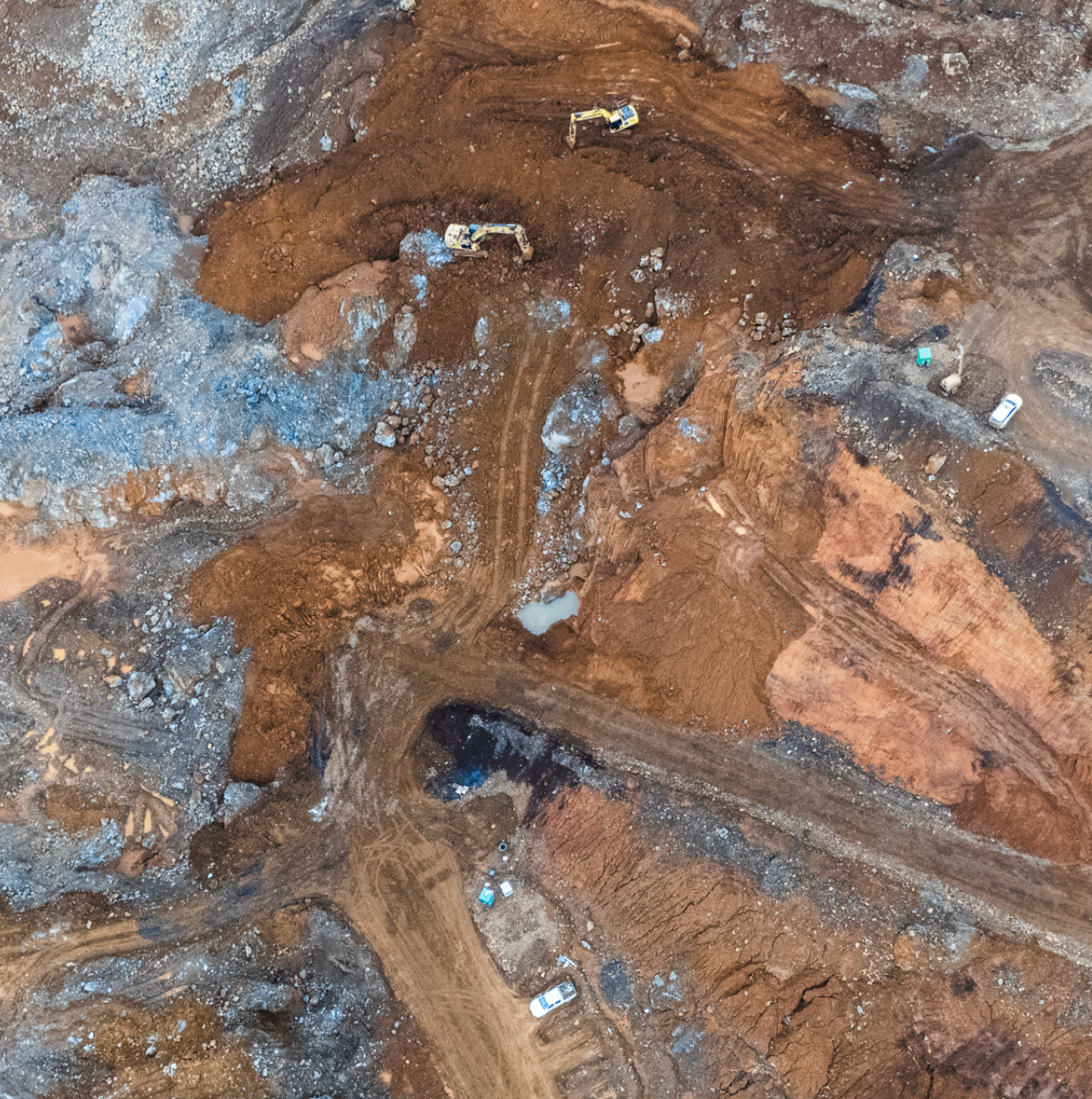
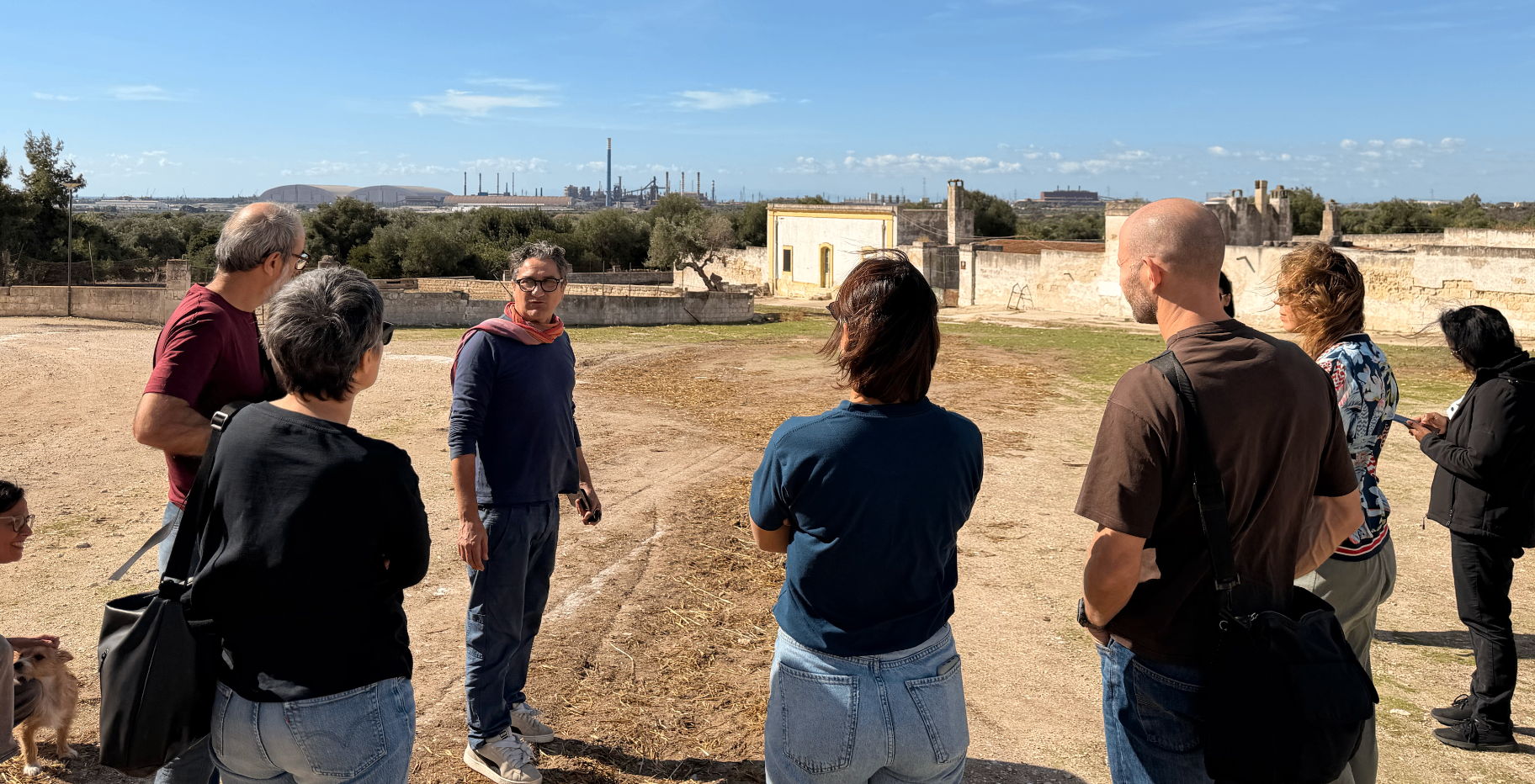
Independent investigations in Kolwezi contribute scientific evidence to communities’ pursuit of justice over pollution near a copper and cobalt mine.
4 November 2026 – Twenty-seven Kolwezi residents, including eight children, are suing COMMUS, a mining company controlled by Zijin Mining, the Congolese state and the Congolese Environment Agency over alleged pollution-related harm. The first hearing took place at Kolwezi’s Commercial Court on 3 November; the merits of the case have yet to be examined.
The scientific evidence supporting the legal action includes data collected by Source International through investigations undertaken with RAID and AFREWATCH. Published in June 2026, our studies on air quality and water and sediment contamination complement research by the University of Lubumbashi.
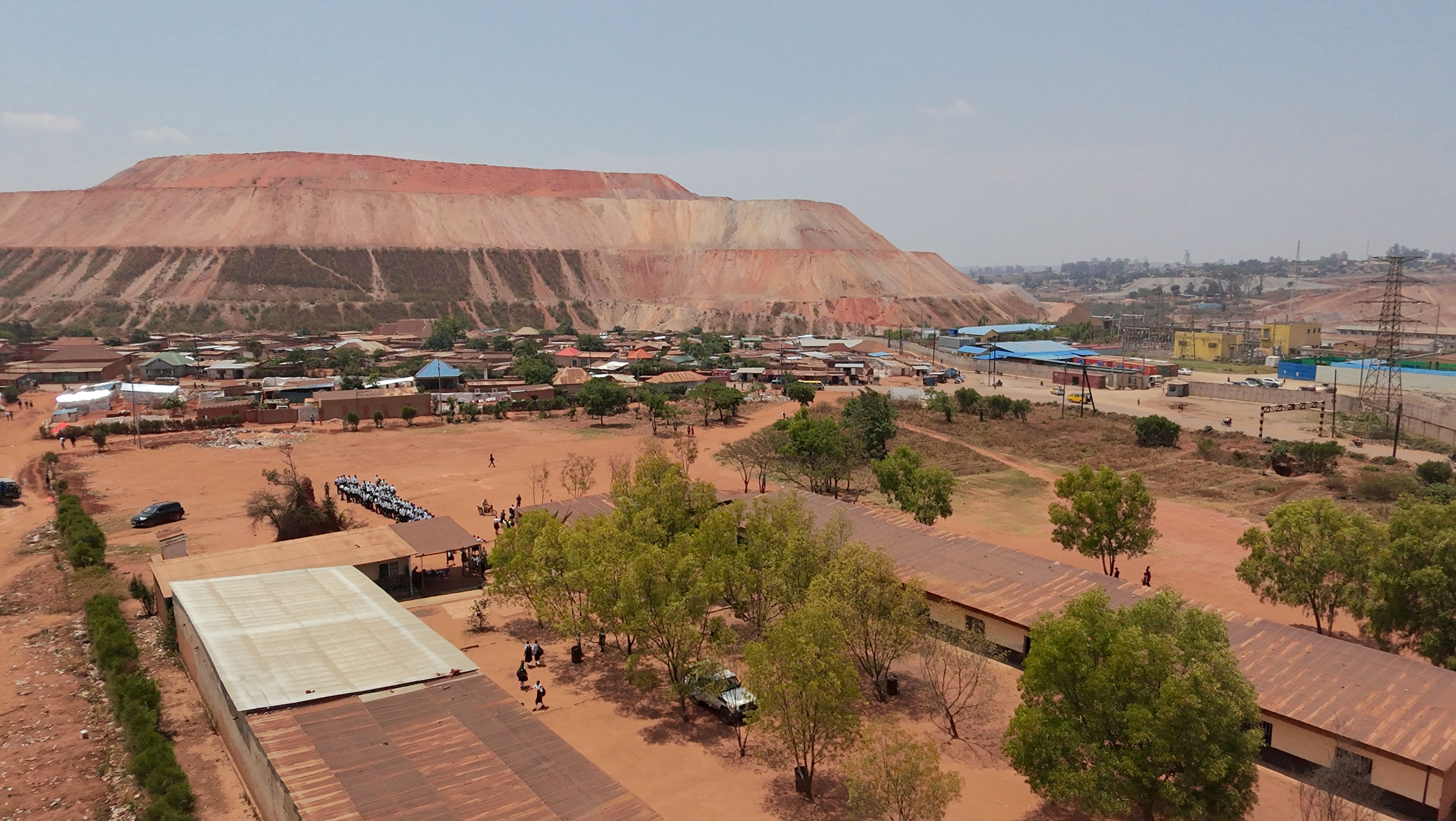
At Galaxy School, attended by approximately 1,500 children and located less than 500 metres from a mining waste dump linked to COMMUS, measurements recorded a daily PM2.5 concentration of 44 µg/m³: almost three times the World Health Organization guideline of 15 µg/m³.

Chemical analysis of dust collected in the area identified a pattern of copper, cobalt and manganese indicating an important contribution from industrial mining residues. Water investigations also documented high acidity and elevated metal concentrations in a community well near a tailings storage facility.
Our work continues through public, continuous air quality monitoring in Musonoi, a neighbourhood of Kolwezi. Between 5 and 30 September 2026, the sensor recorded an average PM2.5 concentration of 77 µg/m³. All 26 daily averages exceeded the WHO guideline, with the highest reaching 121 µg/m³. These observations extend monitoring beyond individual field missions and make environmental data accessible to communities.
The claimants seek compensation, environmental remediation, safe drinking water and measures to stop harmful pollution.
In its response published in July 2026, COMMUS maintained that it complies with Congolese environmental regulations and pointed to multiple potential pollution sources, including historical mining activities and natural geological conditions.
Source International calls for action to reduce dust emissions and polluting discharges, transparency in environmental monitoring data, and an independent health assessment of exposed communities. Safeguarding health and the environment must be part of extracting the minerals used in the energy transition.