Independent studies by Source International, RAID, AFREWATCH and researchers from the University of Lubumbashi document dangerous levels of air, water and sediment contamination around large-scale copper and cobalt mines in Lualaba Province.
New independent scientific studies published today reveal widespread environmental pollution around large-scale copper and cobalt mines in the Democratic Republic of Congo’s Copper-Cobalt Belt, raising serious concerns for the health of nearby communities.
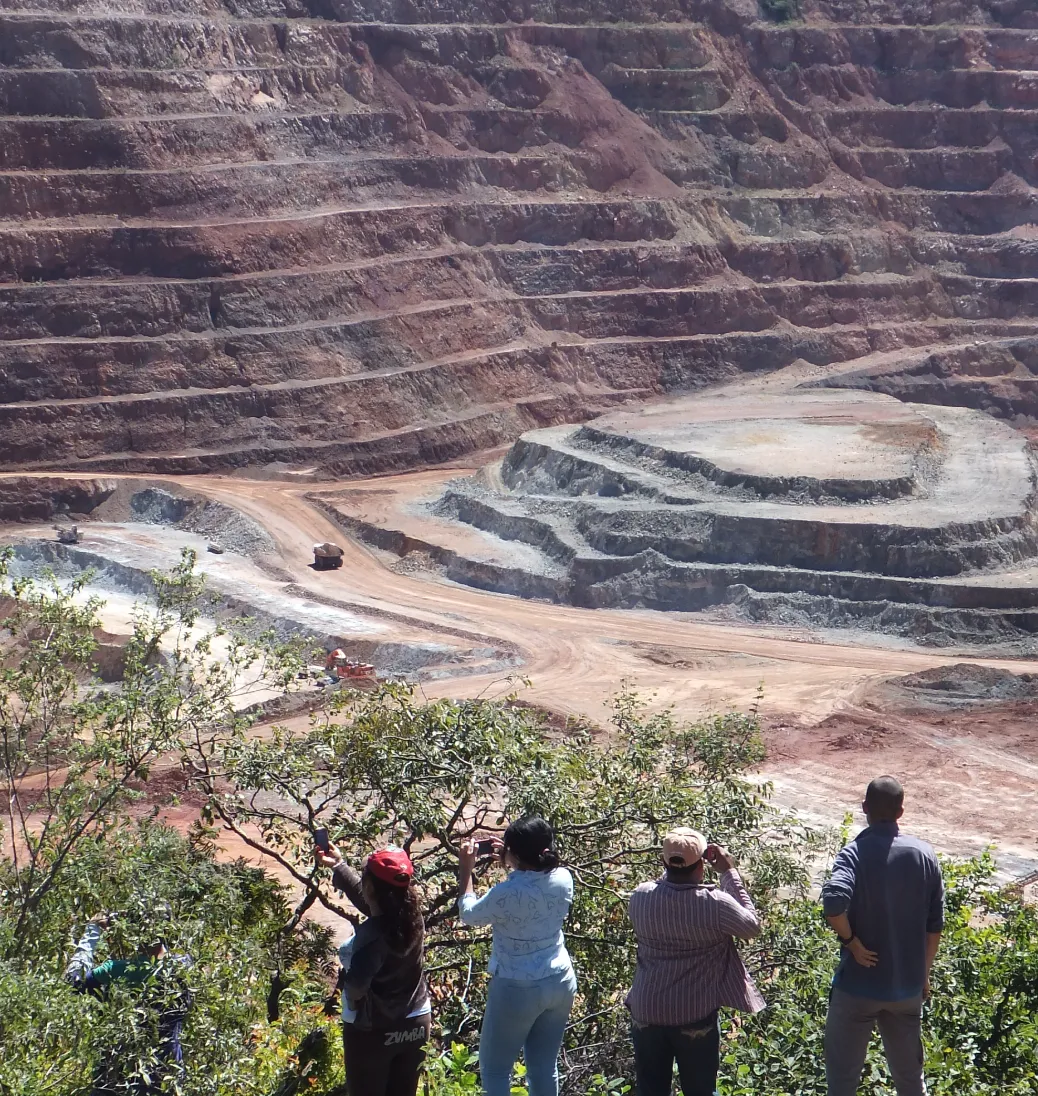
The studies, carried out by Source International, researchers from the University of Lubumbashi, RAID and AFREWATCH, document pollution in the air, water and sediments around mining areas in Lualaba Province, including Kolwezi, Pierre Muteba 2 and Fungurume. The findings point to chronic exposure to fine particulate matter and toxic metals, including copper, cobalt, manganese, arsenic, lead and uranium.

The Democratic Republic of Congo supplies more than 70% of the world’s cobalt, a mineral essential for electric vehicle batteries and other technologies linked to the global energy transition. But the new evidence shows that the extraction of cobalt and copper continues to impose a heavy environmental and health burden on the communities living closest to industrial mining operations.
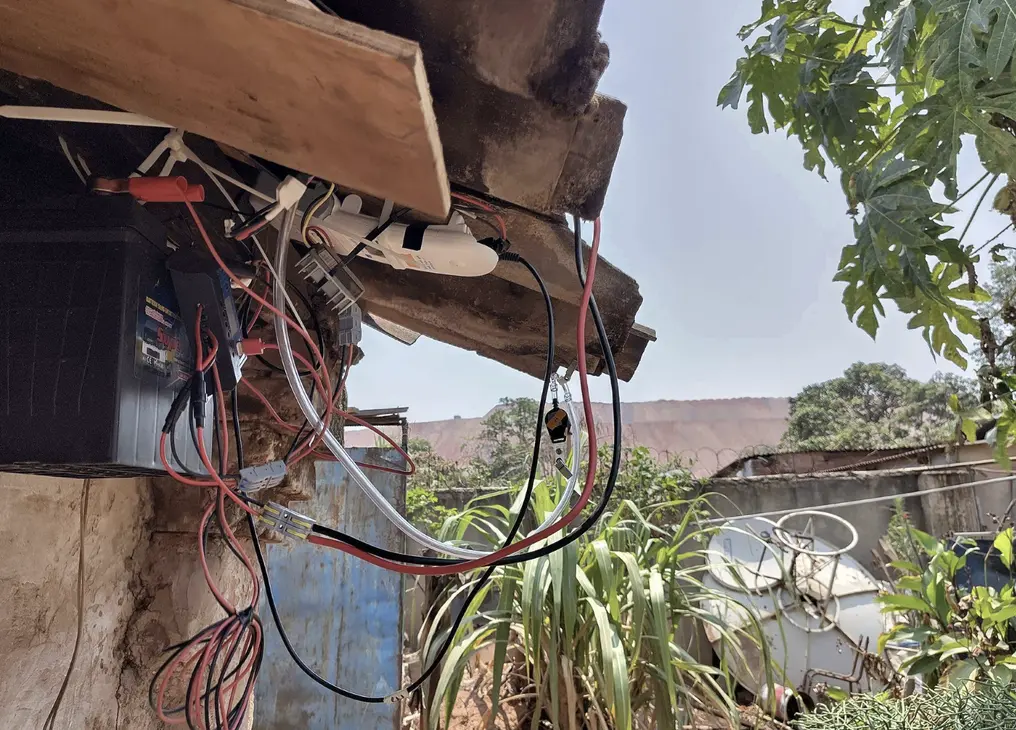
Source International’s air quality assessment provides, to the researchers’ knowledge, the first independent measurement of particulate matter pollution in the region. At every site monitored, concentrations of PM2.5 and PM10 exceeded World Health Organization guidelines. In some locations, PM2.5 levels were more than six times above the WHO daily limit. Overall, 98% of hourly PM2.5 measurements exceeded health-based guidelines, indicating that communities are exposed to dangerous air pollution on a continuous basis, not only during isolated pollution peaks.
The analysis also showed that the dust carries the chemical fingerprint of industrial mining residues. Source International’s researchers found a consistent signature of cobalt, copper and manganese in dust samples collected across the monitoring sites, while other possible sources such as traffic, domestic burning and artisanal mining were considered unlikely to be the primary sources.
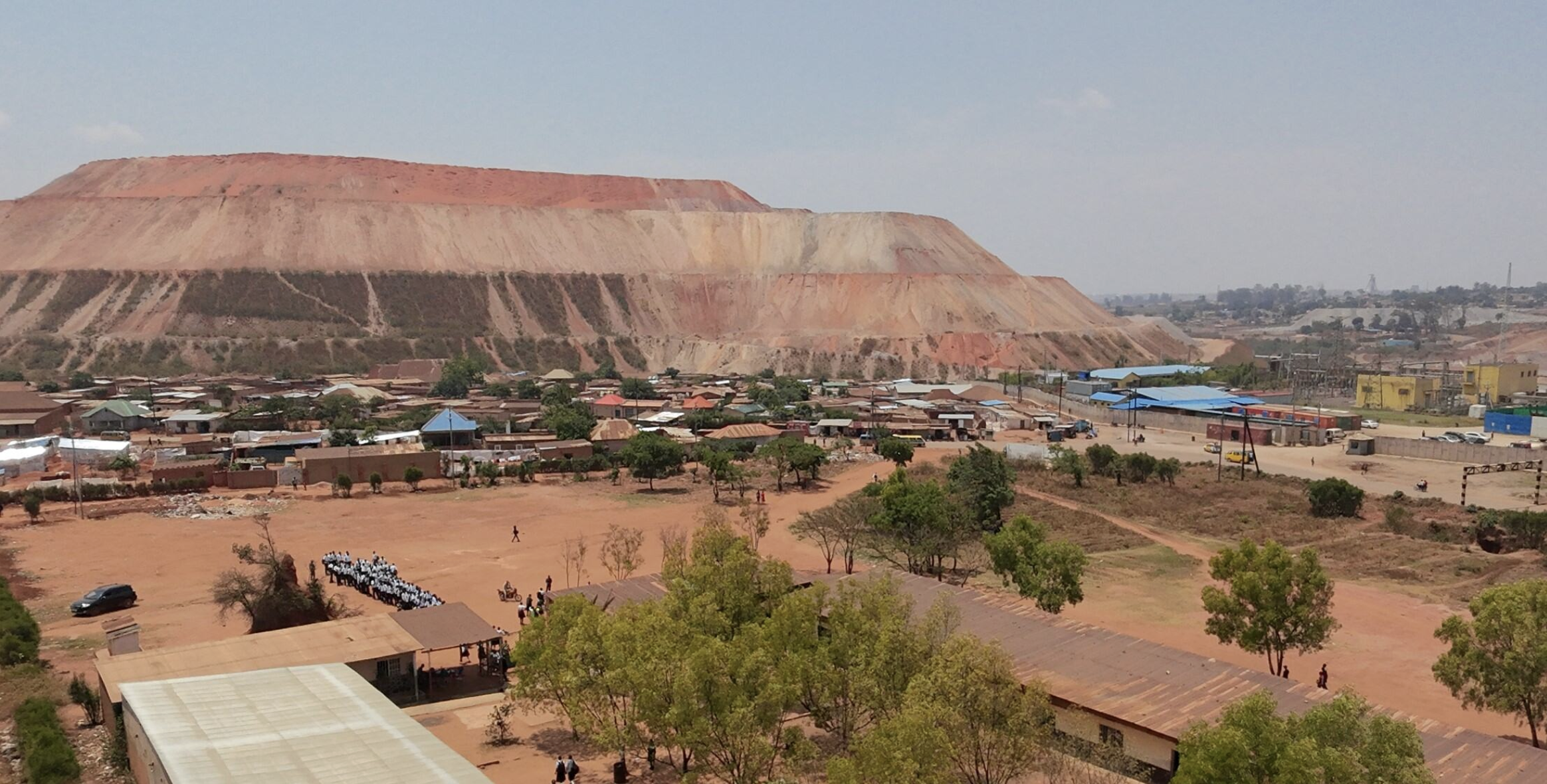
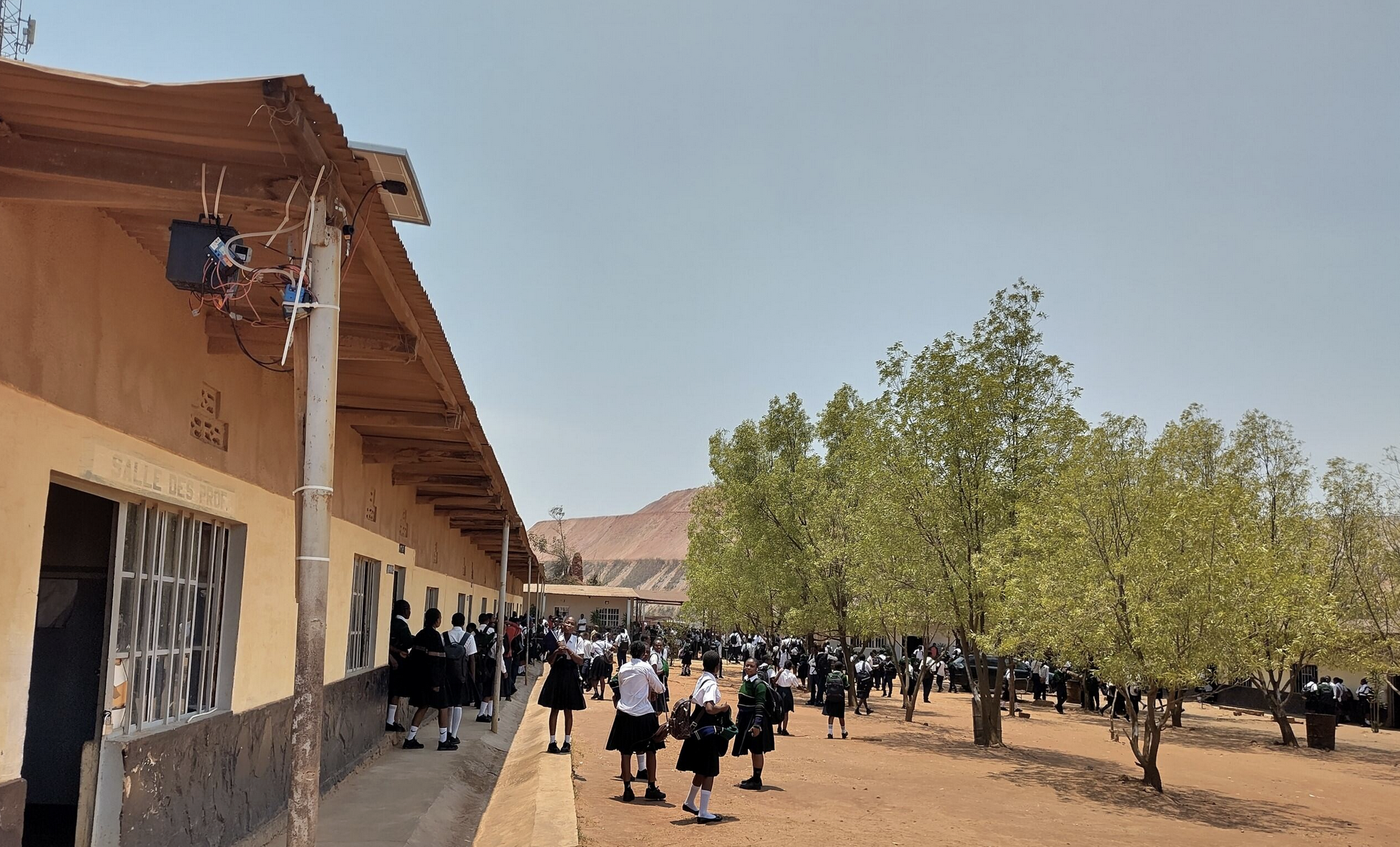
One of the most concerning findings concerns the Galaxy School in Kolwezi, located less than 500 metres from a large mining waste dump linked to COMMUS operations. The school recorded some of the highest pollution levels in the air quality study, with children and staff spending hours each day in an environment where fine particulate matter exceeds health-based guidelines.
The water and sediment studies also revealed serious contamination. Across rivers, lakes, wells and sediments, scientists found elevated concentrations of copper, cobalt, manganese, arsenic, lead and uranium. A community water well in Kolwezi, located close to a tailings storage facility, was found to be 100 times more acidic than recommended, with manganese and aluminium concentrations up to 14 times above health-based limits.
“These are among the most concerning air quality results we have documented in years of monitoring pollution at industrial mining sites around the world,” said Flaviano Bianchini, Executive Director of Source International. “The dust carries the unmistakable chemical fingerprint of industrial mining residues. An urgent, independent health assessment of these communities is not just a recommendation, it is a necessity.”
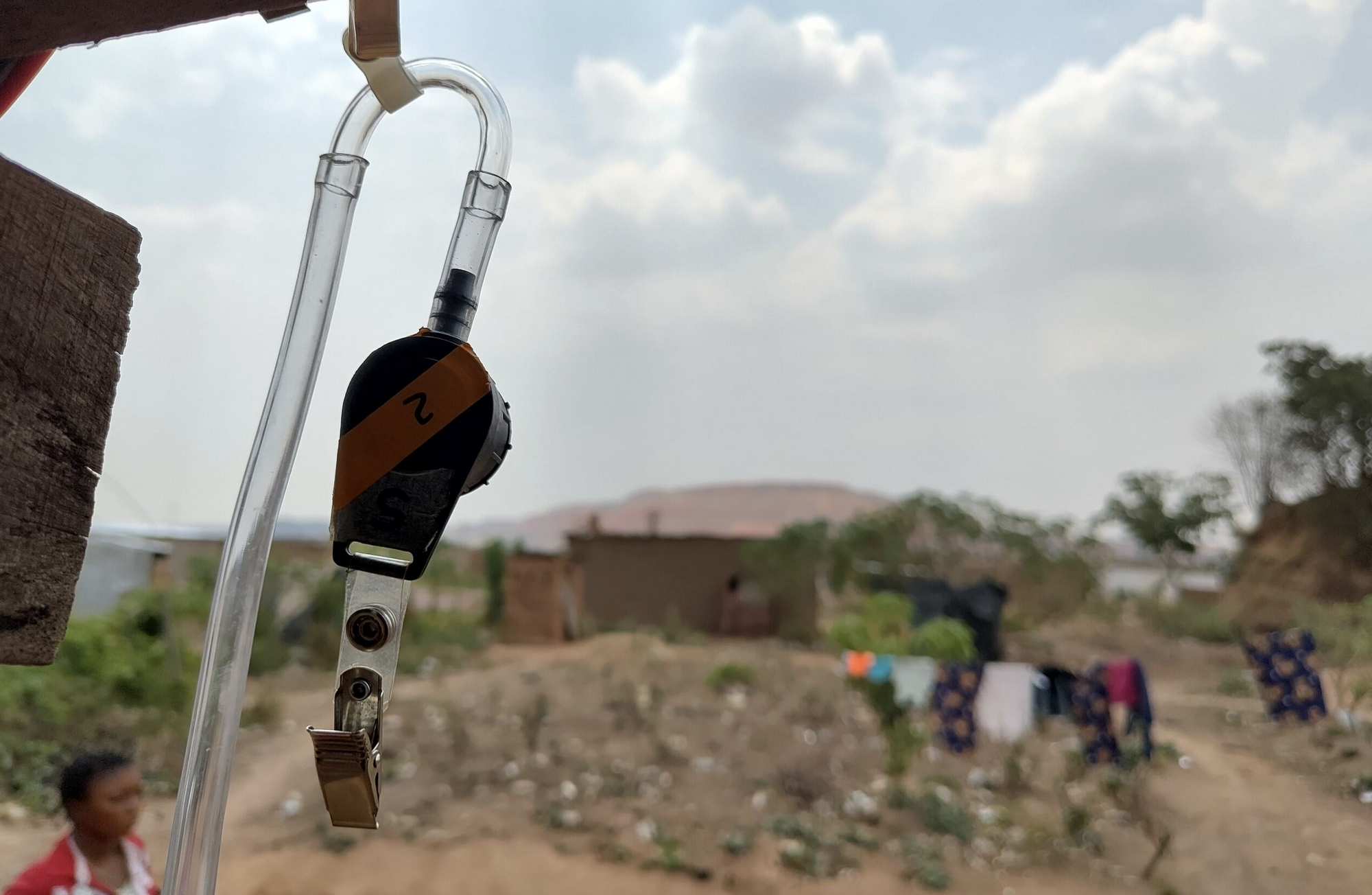
The scientific findings confirm what local communities have reported for years. Testimonies collected by RAID and AFREWATCH describe contaminated water, choking dust, declining fish populations, failing crops and worsening health conditions. Residents report persistent coughing, nosebleeds, eye irritation and headaches, with symptoms worsening during the dry season. Women also describe reproductive health problems they associate with pollution, while children are reported as among the most severely affected.
All three scientific teams conclude that an urgent, independent health assessment is needed in the affected communities.
The organisations are calling on mining companies to fund an independent health assessment, publish their environmental monitoring data, and take immediate action to reduce dust and effluent at source. They also call on the DRC government to enforce existing environmental law, make environmental and social impact assessments publicly available, and ensure that no new mining permits or expansions are approved for operations that have not demonstrated compliance with environmental obligations.
The findings raise broader questions about the global supply chains behind the energy transition. Cobalt and copper extracted in the DRC enter global markets and are used in electric vehicles, renewable energy infrastructure, batteries, technology and defence industries. The reports show that due diligence cannot be reduced to certification schemes or audits alone: it must include transparent environmental monitoring, engagement with affected communities and verifiable action to prevent and remedy harm.
The report on air quality measurements is available here, while that on water and sediments here.
Read more about Source International’s work in the Copper-Cobalt Belt here.