
A city consumed by mining. A community demanding justice.
For more than fifteen years, Source International has worked alongside residents of Cerro de Pasco to expose environmental contamination, document health impacts, and support the fight for human rights in one of the most polluted mining cities on Earth.
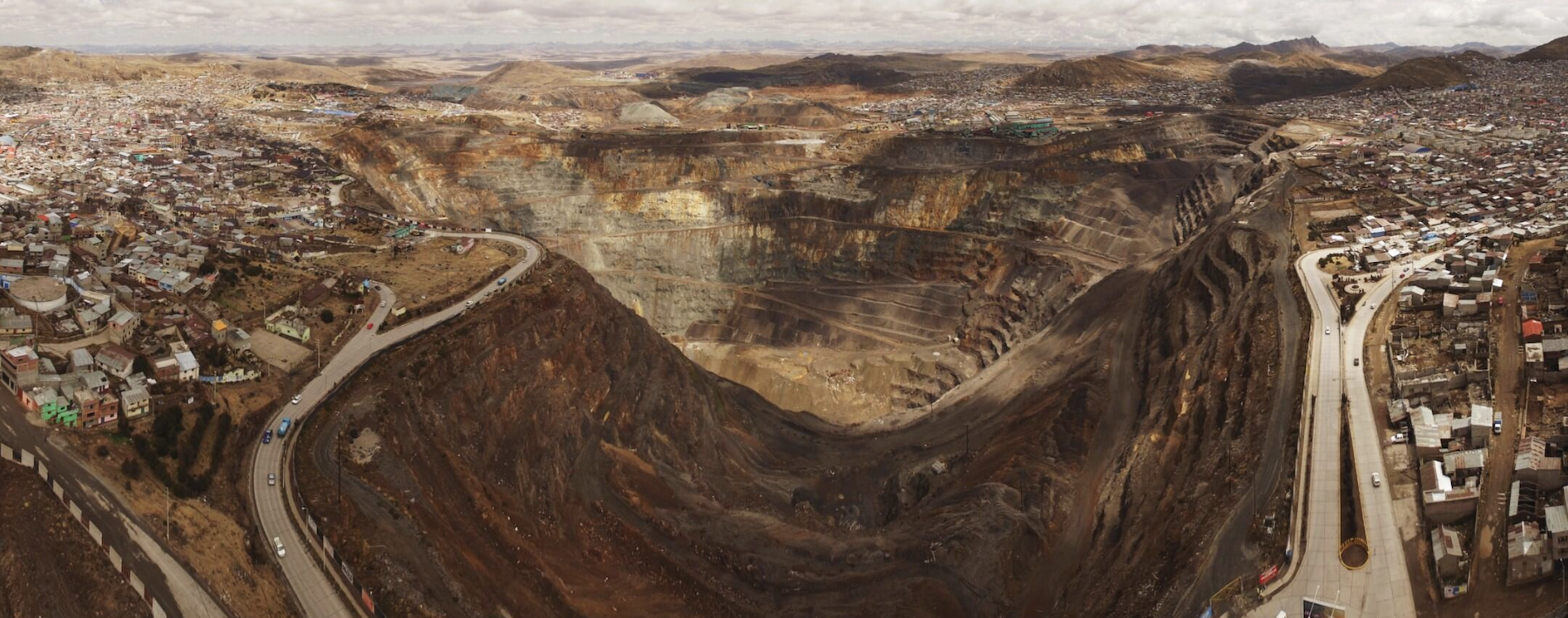
Cerro de Pasco is one of the highest cities in the world. For centuries, mining has shaped its economy and identity. But over recent decades, extraction expanded dramatically. Today, a vast open-pit mine dominates the urban landscape. Homes, schools and neighborhoods sit beside waste deposits, blasting zones, polluted streams and contaminated dust. For thousands of residents, mining is not something happening far away. It is part of daily life: outside the window, in the soil, in the air, and too often inside the body.
Cerro de Pasco is a place where history, mining and environmental injustice have been intertwined for centuries. Rich mineral deposits in the central Peruvian Andes were already exploited before the colonial era, and from the 16th century the region became one of the main sources of silver for the Spanish empire. Over time, extraction intensified and shaped the growth of a city whose identity, economy and landscape became inseparable from mining.
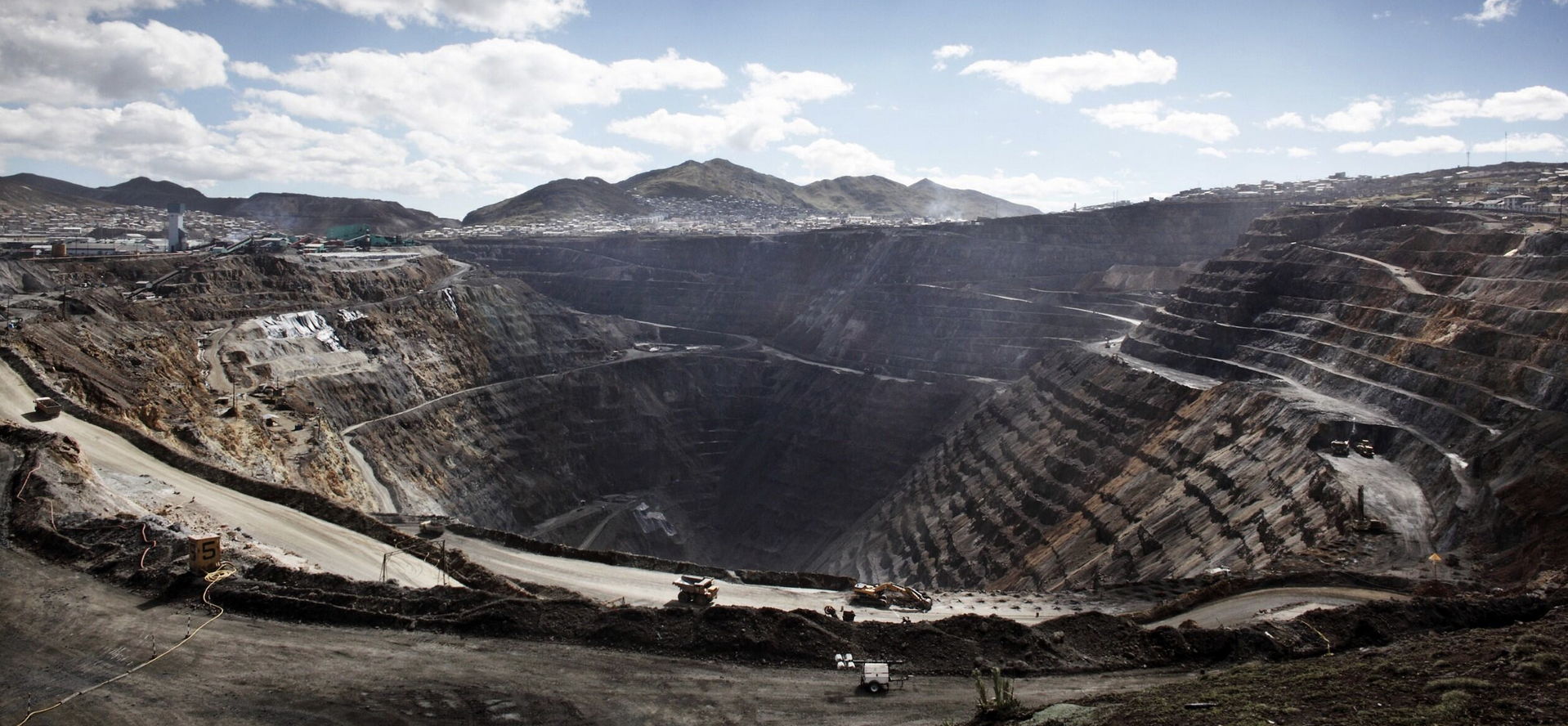
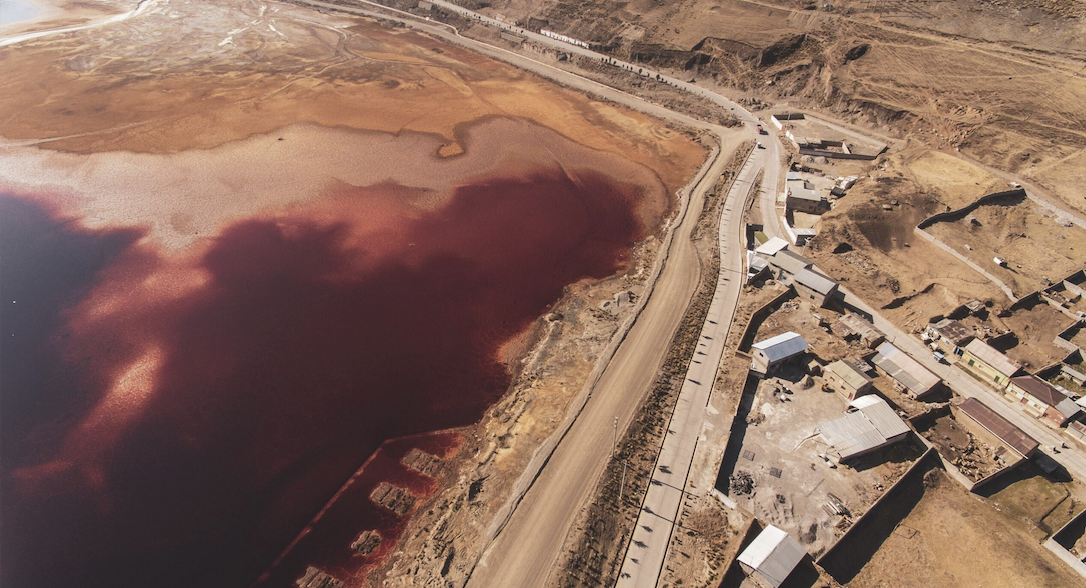
Today, Cerro de Pasco is one of the few cities in the world where a massive open-pit mine sits directly at the center of the urban fabric. The Tajo Raúl Rojas crater, more than 1.5 kilometers wide and nearly 500 meters deep, has expanded over time, swallowing entire neighborhoods and pushing homes, schools and markets against waste piles and tailings deposits. In many areas, the boundary between residential life and industrial activity is almost nonexistent.
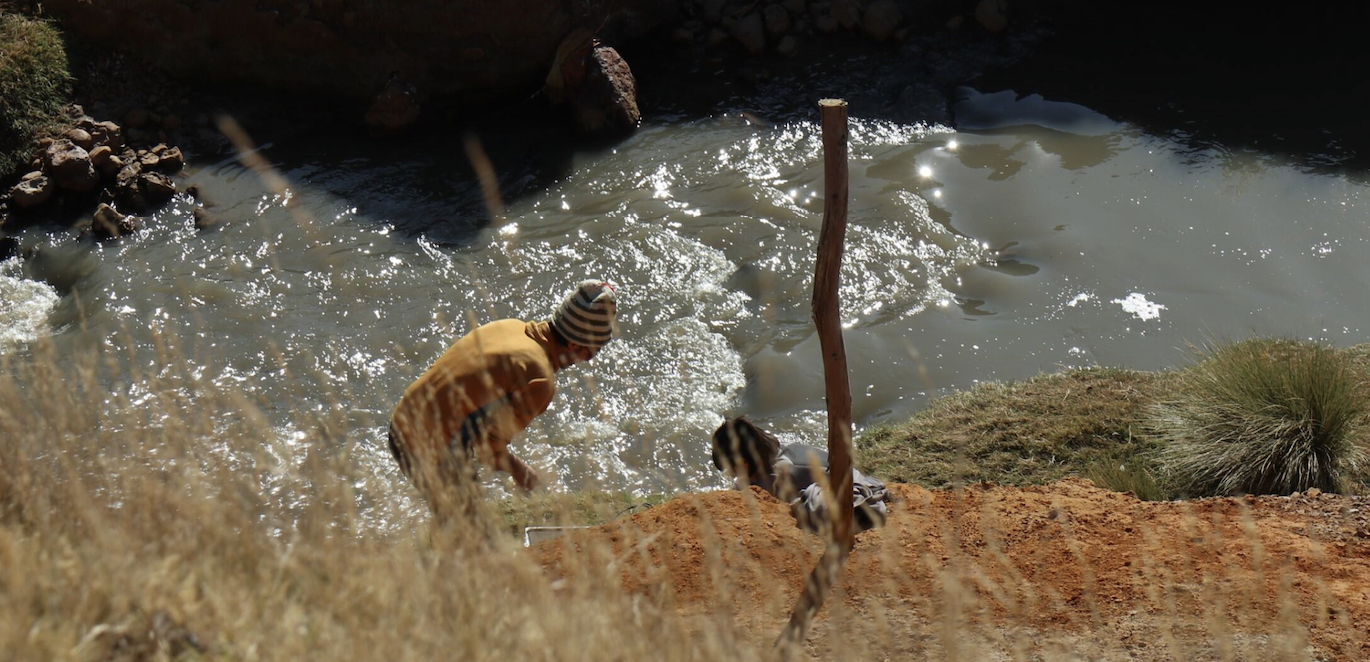
The legacy of extraction is visible everywhere. Dust lifted by strong high-altitude winds settles on rooftops and courtyards. Acidic runoff reaches drainage channels and waterways. Former natural lakes such as Quiulacocha and Yanamate have been transformed into repositories for mining waste and contain extremely high concentrations of heavy metals. Residents describe water running yellow or turbid from taps, recurring headaches, stomach problems and constant uncertainty about exposure.
The human cost is particularly severe for children. Local authorities and health studies have documented cases of heavy metal poisoning, including dangerous levels of lead, arsenic, cadmium and other toxic substances. Research has also linked proximity to the mine with reduced cognitive performance and developmental risks. These impacts are consistent with the well-known neurotoxic effects of many mining-related metals.
In Cerro de Pasco, pollution affects access to clean water, health, education, information and a safe environment. Fundamental rights become fragile when contamination is normalized for generations. This is why Cerro de Pasco is not only a local crisis, but a global symbol of the social and environmental costs of mining—and why independent science, community voices and accountability remain urgently needed.
For more than seventeen years, Source International has maintained a continuous and deeply rooted presence in Cerro de Pasco, working alongside communities to document environmental degradation and its impacts on health and human rights. This long-term engagement has allowed us not only to collect robust scientific evidence, but also to build trust, strengthen local capacity, and support a collective demand for justice.
Our work began in 2008, when we carried out the first independent field trip in the region. At the time, very little independent data existed on the extent of environmental contamination. Through field sampling in collaboration with local partners, we documented alarming levels of heavy metals – including lead and arsenic – in water and sediments. These same metals were also found in the blood and serum of citizens in Paraghsa – one of Cerro de Pasco’s districts closer to the open pit –, exceeding in several instances the levels recommended by the WHO. This first study revealed the scale of the problem and provided communities with essential evidence to be used in public and legal arenas.
In 2011, we returned with a campaign aimed at analyzing heavy metals in water. Sixteen samples collected across rivers, lakes and domestic sources revealed extremely acidic values (in some cases with pH levels near 2) and metal concentrations far exceeding both Peruvian and international guidelines. These findings strengthened local claims about the severity of the crisis and helped frame the problem as not just environmental, but also public-health related.
In 2016, we came back to Cerro de Pasco to collect more environmental and biometric data. The situation called for a deeper understanding of how contamination was affecting the most vulnerable. In response, we carried out a Human Rights Impact Assessment dedicated to children. The study connected environmental pollution with violations of fundamental rights, showing how exposure to heavy metals was impairing development, limiting educational opportunities and endangering health. This assessment later contributed to bringing the case to international attention.
read the study (ENVIRONMENT)read the study (human rights)read the study (HUMAN Health)In 2018, Source International supported one of the most extensive child-health investigations ever conducted in Cerro de Pasco. During this campaign, hair samples from 94 children were analysed to assess chronic exposure to heavy metals, a method chosen because it can reveal long-term accumulation in the body. The results showed that children living near the open-pit mine in Paragsha had significantly higher concentrations of aluminium, arsenic, cadmium, chromium, iron, manganese, nickel, lead, tin and thallium compared to children from a control community. Crucially, for 27 of these children, data were available both for 2016 and 2018, and the comparison demonstrated a clear worsening over time, with statistically significant increases in concentrations of many metals - including lead, cadmium, chromium, manganese and zinc - confirming chronic and escalating exposure.
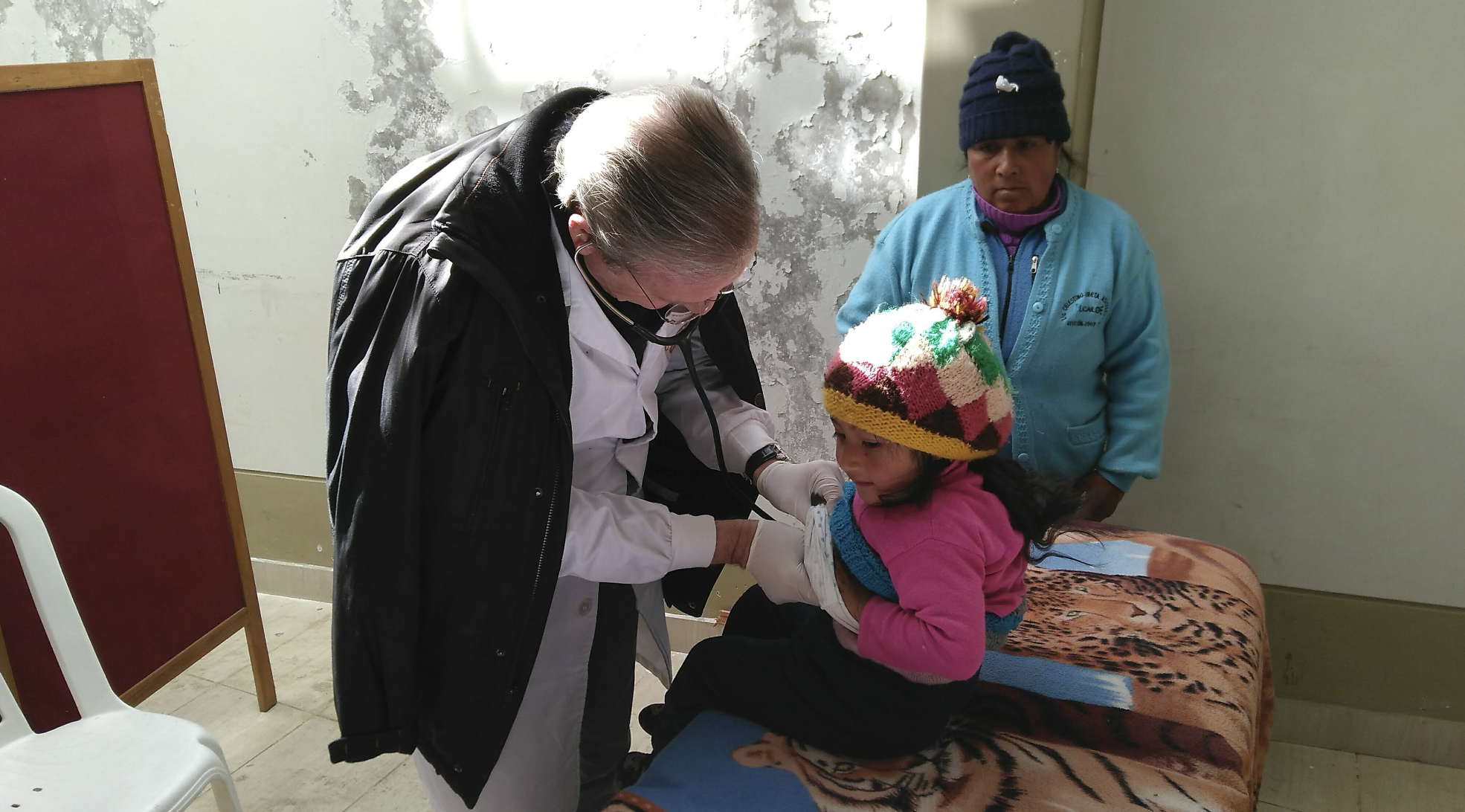
Alongside laboratory analysis, all participating children underwent a full medical examination, including respiratory, dermatological, neurological and ophthalmological assessment. The clinical findings reflected the toxicological data: children with higher concentrations of metals in their hair had markedly higher odds of experiencing symptoms such as frequent nosebleeds (OR = 15.4), chronic colic (OR = 7.3), white lines on nails (OR = 12.1), dermatological alterations (OR = 6.16), reduced visual field (OR = 3.97) and mood disturbances such as irritability or depression (OR = 7.07). These associations followed clear dose–response patterns, showing that the likelihood of symptoms increased with increasing metal concentrations.
read the studyIn 2019, our assessment of environmental quality and human exposure expanded significantly in both scope and depth, offering the most comprehensive picture produced to date. That year, Source International combined new hair analyses with an extensive review of all previous biomonitoring data, including studies on blood, serum and urine, to reconstruct how toxic exposure had evolved over time. This integrated approach revealed a consistent pattern: heavy metals were present across all biological matrices analysed, confirming that exposure was chronic and affected virtually the entire child population.Alongside the clinical component, we carried out an unprecedented environmental investigation that included the sampling of soils, sediments, surface waters, air and locally consumed food. This broader dataset highlighted the multiple pathways through which contamination reached people’s bodies: metal-rich dust dispersed from tailings, acidic drainage flowing into rivers and lakes, polluted soils in schoolyards and playgrounds, and bioaccumulation in grazing animals whose meat forms part of the local diet.
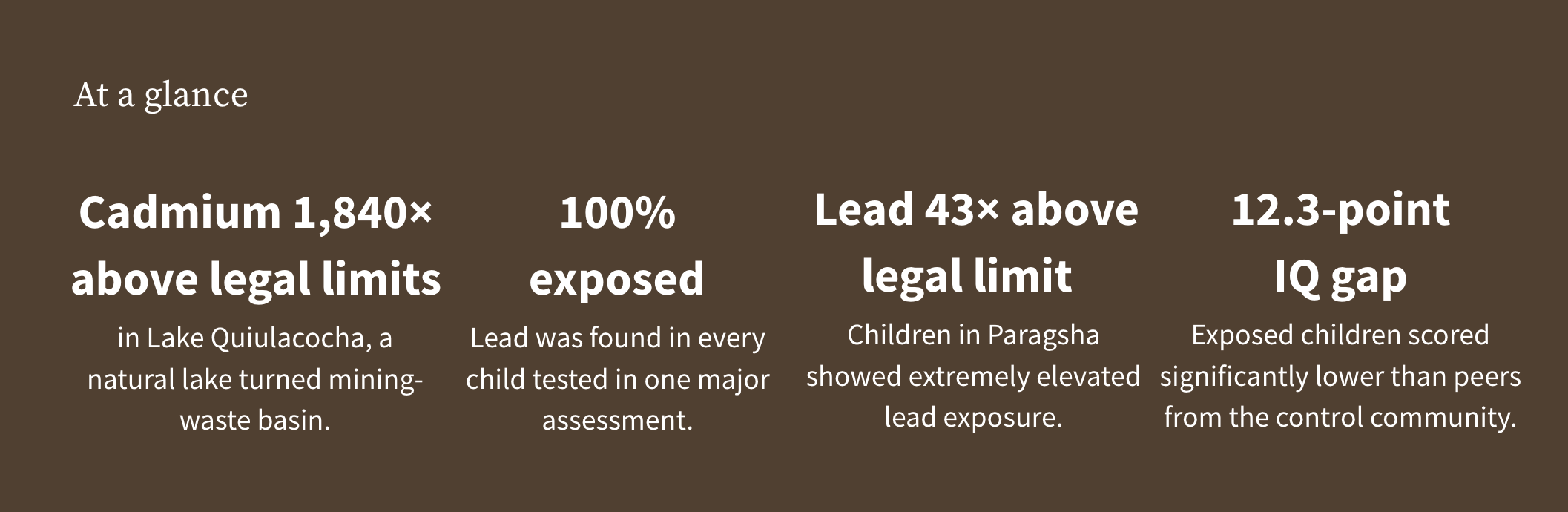
read the studyIn 2021, Source International carried out one of its most detailed investigations into the human impacts of mining pollution in Cerro de Pasco. This study focused on children and adolescents aged 6 to 16, combining hair analysis with the first-ever assessment of cognitive development (IQ) conducted in the region. A total of 81 young people from Paragsha, living next to the open-pit mine and major processing facilities, were compared with 17 peers from Carhuamayo, a community with similar socio-geographic characteristics but located outside the mining influence. Hair samples were collected and analysed for 21 heavy metals, revealing that children in Paragsha had concentrations of arsenic, lead, cadmium, antimony, manganese and other toxic metals far above both international reference values and the levels measured in the control group. The average concentrations were striking: arsenic was three times higher than in Carhuamayo, lead six times higher, and cadmium twice as high. Many metals also exceeded the Maximum Acceptable Levels established by Micro Trace Minerals for non-exposed children, with lead surpassing the reference value by a factor of forty-three.
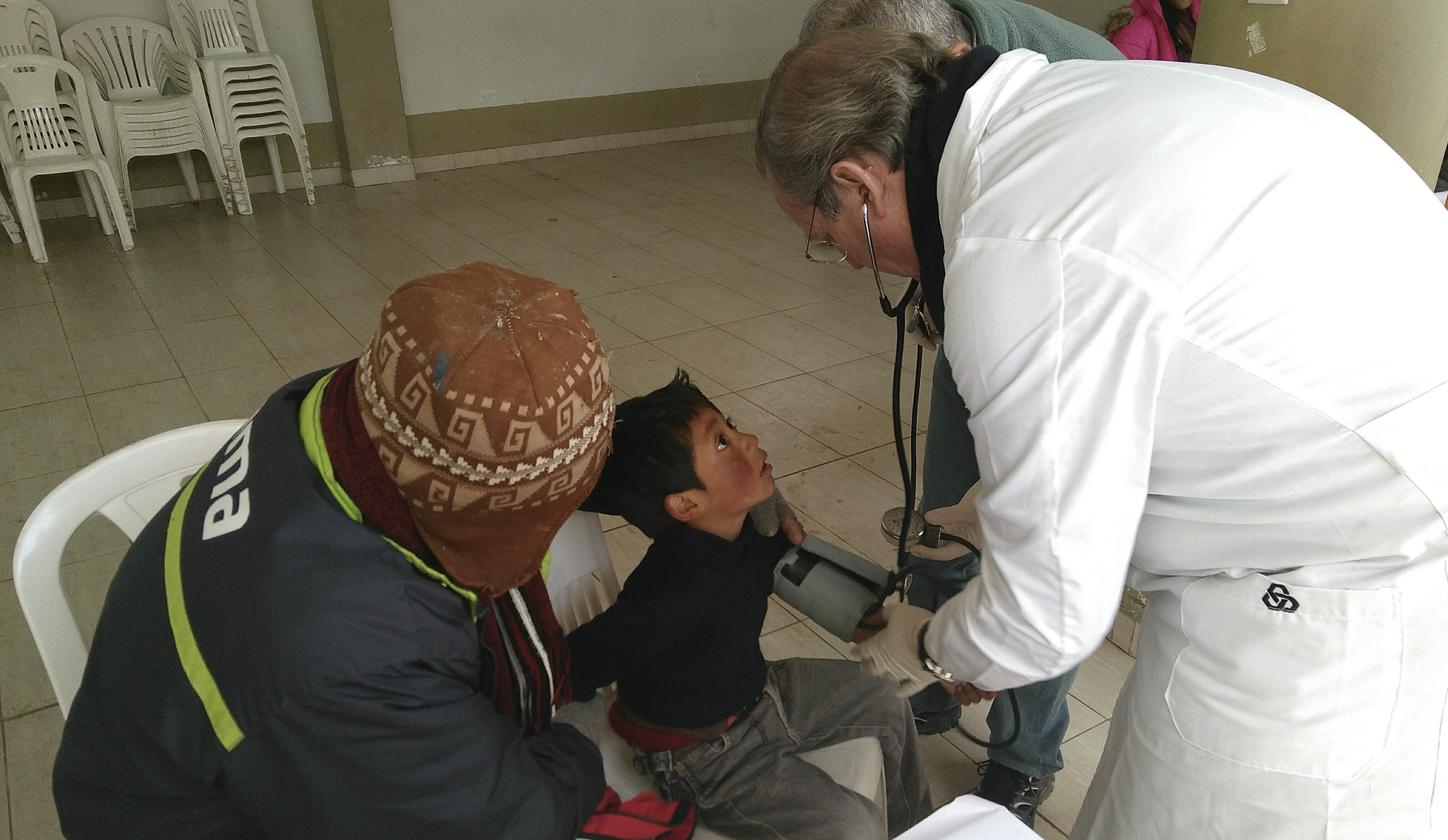
The most groundbreaking component of the 2021 study was the cognitive assessment, conducted using the internationally recognised WISC-IV test. Results showed a substantial and consistent difference between the two populations. Children in Paragsha had an average IQ of 82.5, which is 12.3 points lower than the average recorded in Carhuamayo (94.8). Only 59% of exposed children scored above the national mean, compared with 94% of the control group. Nearly 37% of children in Paragsha fell into the “Low” or “Very Low”.
read the reportIn 2022, as part of a comprehensive study covering both water and soil, we documented 115 violations of national water-quality regulations and 25 additional exceedances in soils, confirming that the contamination extended far beyond isolated hotspots. These results highlighted not only the persistence of pollution but also the lack of effective oversight and remediation by responsible institutions.
read the report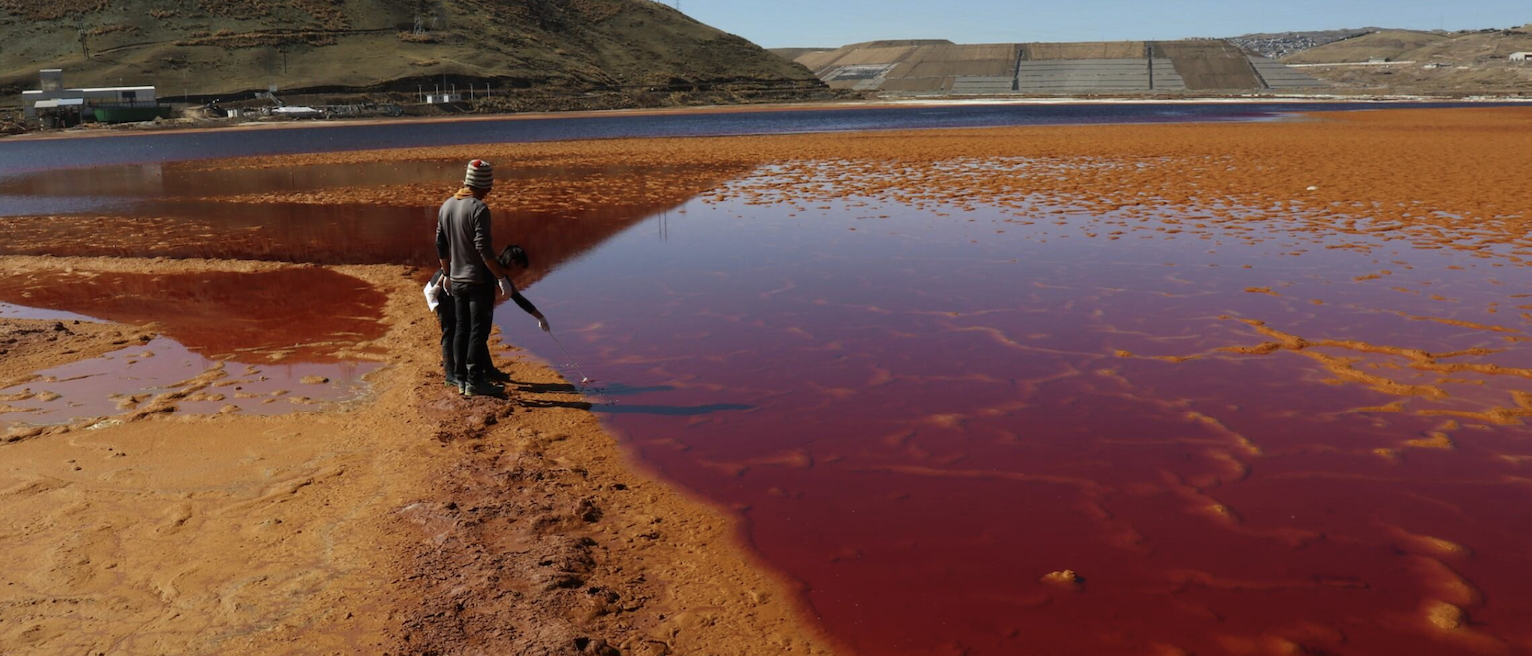
The following year, in 2023, a new monitoring campaign focused on surface waters provided further confirmation of the deterioration of the two major lakes and of the direct contribution of mining effluents. The data showed that the chemical signature of pollution was consistent with industrial discharges, reinforcing the evidence collected in previous years and underlining the need for urgent intervention.
read the reportOur most recent mission, carried out in July 2024, expanded this long-term dataset with the analysis of surface - and tap - water samples. The results confirmed once again that Lake Quiulacocha and Lake Yanamate remain the most critically contaminated sites, with values far beyond any acceptable threshold. In Quiulacocha, cadmium reached levels up to 1840 times higher than the national Environmental Quality Standards, while zinc exceeded legal limits by as much as 4500 times, accompanied by extreme concentrations of iron and manganese. Although a few parameters showed slight downward fluctuations compared to 2022 and 2023, the overall pattern is unchanged: contamination is severe, chronic and continues to threaten both ecosystems and human health.Over time, this repeated presence on the ground has made it possible to build a high-resolution picture of how contamination evolves, what risks communities face, and where action is most urgently needed. It is this continuity - scientific, human and institutional - that allows our work in Cerro de Pasco to support long-term accountability and meaningful change.
read the report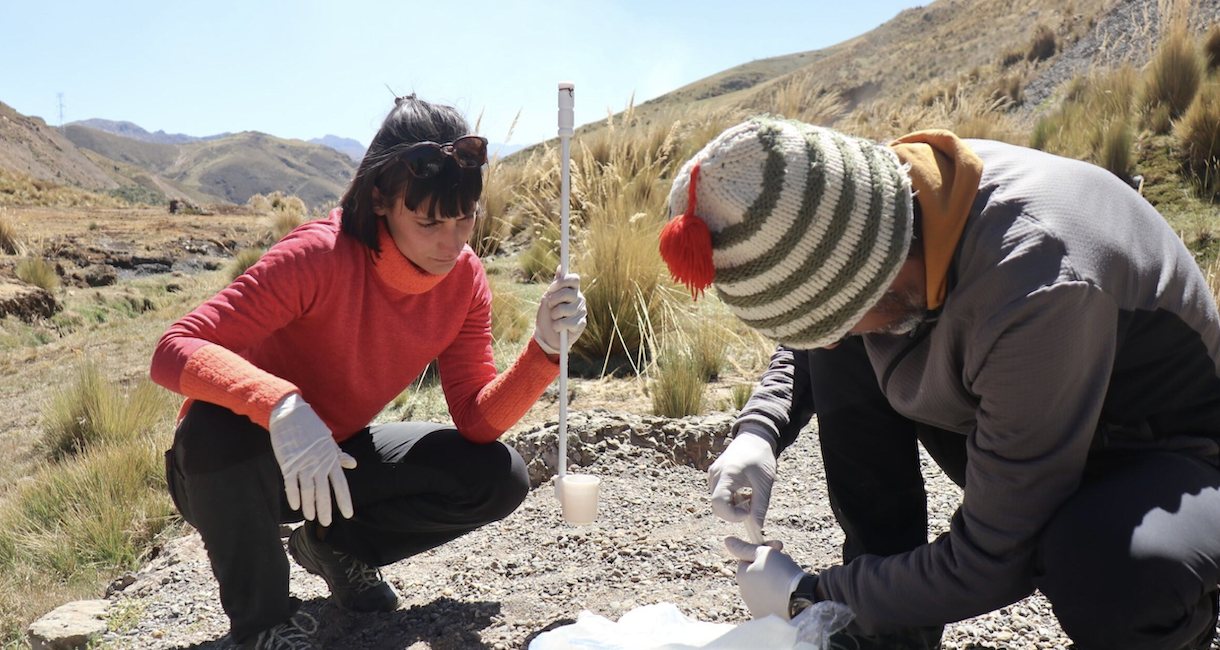
After more than three decades of community denunciations and 18 years of independent scientific work by Source International in Cerro de Pasco, the demand for environmental justice has entered a new phase. On May 28, 2026, Julio César Rupay, Mayor of the Province of Pasco, filed a lawsuit against Volcan Compañía Minera and its subsidiaries to demand remediation for the areas affected by mining pollution in Simón Bolívar, Yanacancha and Chaupimarca.
The legal action calls for the repair of contaminated water sources and soils, urgent measures to stop further pollution, and a comprehensive health assessment and medical follow-up for affected communities.
Supported by civil society organizations, advised by EarthRights International, and grounded in the scientific evidence collected by Source International, this case represents a critical step toward accountability for decades of contamination and toward the recognition of the right of Cerro de Pasco’s communities to live in a healthy environment.
Children’s exposure: a public health emergency
Biomonitoring studies found heavy metals in the hair of all children tested between ages 5 and 14. In one of our largest assessments, all 82 children showed toxic metal exposure: lead was detected in 100% of cases and manganese in 96%. These findings are consistent with research linking exposure to learning difficulties, neurological impacts and long-term health risks.
Widespread contamination across the territory
Over 17 years of fieldwork, our investigations have repeatedly found lead, cadmium, arsenic and other toxic metals in water, soil and sediments. Former natural lakes such as Quiulacocha and Yanamate show severe acid mine drainage, with highly acidic waters and contamination levels far above legal standards. Pollution also moves downstream through the San Juan River basin toward Lake Junín, an internationally important wetland.
Surface waters far above legal limits
Our latest monitoring campaign identified dozens of exceedances of Peruvian environmental standards for aquatic ecosystems, agriculture and mining effluents. Lakes, rivers and discharge channels showed very high concentrations of cadmium, zinc, copper, manganese and iron, confirming severe and persistent pollution.
Soil contamination near communities
Samples collected in schools, playgrounds and agricultural areas found repeated exceedances of soil quality standards. Lead, arsenic and cadmium are among the metals detected, linked to tailings, airborne dust and historical waste disposal. In some areas, levels may pose risks to children, crops and ecosystems.
Health impacts consistent with chronic exposure
Studies and local health evidence indicate elevated rates of respiratory and digestive illness, anemia, developmental delays, neurological impacts, miscarriages and other adverse pregnancy outcomes. Mental health effects—including anxiety, depression and chronic stress—have also been reported.
Social impacts beyond pollution
Contamination affects livelihoods, increases health expenses, reduces agricultural productivity and deepens inequality. Many families also report fear for their children’s future and a growing lack of trust in institutions.
Human rights under pressure
Across multiple studies, the evidence points to repeated violations of the rights to health, clean water, information, education, a safe environment and dignified living conditions. Cerro de Pasco remains a clear case of environmental injustice requiring urgent action.
2017 | Health emergency declared Following years of pressure and documented evidence, the Peruvian Minister of Health declared Cerro de Pasco a health emergency, triggering commitments for remediation and medical monitoring.
2018 | National medical brigade deployed The Peruvian government sent 47 doctors to screen affected communities for heavy metal poisoning—an intervention local residents had demanded for years.
2019 | International financial accountability Source International and the Center for Climate Crime Analysis submitted an evidence dossier to the Norwegian Government Pension Fund Global, contributing to scrutiny and later divestment discussions involving Volcan / Glencore.
2020–2021 | Parliamentary investigation launched After our studies on children’s exposure, the Peruvian Congress created a parliamentary commission to investigate excess lead levels in children’s blood and environmental contamination in Pasco.
Environmental remediation begins Public authorities approved major recovery plans, including the restoration of the Ragra River basin and the closure of the Excelsior waste deposit—one of the largest mining waste stockpiles in Peru and Latin America.
Support for affected families Families with children showing severe toxic exposure were relocated to Lima for medical protection and treatment.
Long-term public investment Authorities also approved projects including a new hospital and a toxicology laboratory for Pasco.
Alongside scientific investigations, Source International has supported advocacy campaigns to raise awareness, build solidarity and push for accountability in Cerro de Pasco.
2016 – Present | GlobalGiving
Since 2016, Source has run a GlobalGiving campaign to support environmental health and community action in Cerro de Pasco.Restore Environmental Health in Cerro de Pasco
https://www.globalgiving.org/projects/restore-environmental-health-in-cerro-de-pasco/
2016 – 2018 | Public events in Italy
Source organized talks and public initiatives in Italy to highlight the environmental and human rights crisis affecting Cerro de Pasco.
2020 | Swiss Responsible Business Initiative
Cerro de Pasco was selected as one of the international case studies in the Swiss Responsible Business Initiative campaign, which called for stronger corporate accountability for Swiss companies operating abroad. Read more here and here.
2023 – 2025 | Operation Daywork
Cerro de Pasco has also been featured by Operation Daywork, a student-led solidarity initiative that selected the Peru case for its 2024–2025 campaign. Read more here.
In 2016, we came back to Cerro de Pasco to collect more environmental and biometric data. The situation called for a deeper understanding of how contamination was affecting the most vulnerable. In response, we carried out a Human Rights Impact Assessment dedicated to children. The study connected environmental pollution with violations of fundamental rights, showing how exposure to heavy metals was impairing development, limiting educational opportunities and endangering health. This assessment later contributed to bringing the case to international attention.
In 2016, we came back to Cerro de Pasco to collect more environmental and biometric data. The situation called for a deeper understanding of how contamination was affecting the most vulnerable. In response, we carried out a Human Rights Impact Assessment dedicated to children. The study connected environmental pollution with violations of fundamental rights, showing how exposure to heavy metals was impairing development, limiting educational opportunities and endangering health. This assessment later contributed to bringing the case to international attention.
The work performed during the several field campaigns, and the analysis of the data collected, is summarized and described in several report. Some of them are written in English, some in Spanish, some in both languages.
English:
• Human Rights Impact Assessment on children (2017)
• Environmental quality and human exposure to heavy metals (2019)
• 10 Years of Studies (2020)
• Human exposure and health implications (2021)
• Environmental assessment of water and soils (2022)
• Surface and tap water quality in Cerro de Pasco and surrounding areas (2024)
Spanish:
• Calidad del agua superficial y potable enCerro de Pasco y zonas aledañas (2024)
• Evaluación ambiental de los recursos hídricos y suelos en el área minera de Cerro de Pasco (2022)
• Estudio Coeficiente Intelectual (2021)
• Estudio sobre salud humana - 2018-2021
• Estudios sobre calidad ambiental - 2009-2022
The analysis performed during the field campaigns in Cerro de Pasco led to different peer reviewed publications, which can be accessed following the link in this paragraph.
• Bianchini et al., 2014 - Elemental contamination of an open-pit mining area in the Peruvian Andes (https://link.springer.com/article/10.1007/s13762-013-0493-8)
• Orecchio et al., 2015 - Profiles and Sources of PAHs in Sediments from an Open-Pit Mining Area in the Peruvian Andes (https://www.tandfonline.com/doi/abs/10.1080/10406638.2015.1005242)
• Fandiño Piñeiro et al. 2021 – Heavy metal contamination in Peru: implications on children’s health (https://www.nature.com/articles/s41598-021-02163-9.pdf)
• Carreiro-DaCunha et al. 2026 – Possible adverse effects of mining activity on the neurocognitive development of children in the area of Cerro de Pasco (Perú) (https://www.sciencedirect.com/science/article/pii/S0379073826000484)
Summarizing years of field work with Source and local families, Donde los niños no sueñan, by Stefano Sbrulli, tells the lived reality of contamination in Cerro de Pasco. The documentary has received the Best Film – Youth Jury Selection andIREN Award for Best Directing at Caselle Film Festival, the Legambiente “Vittorio De Seta” Award 2023 at the Magna Grecia Film Festival/Clorofilla Film Festival, and was Selected and screened in multiple international festivals (including CinemAmbiente). The documentary can be watched here.
Donde los niños no sueñan, photo book by Stefano Sbrulli, launched in 2024, complements the documentary and expands the visual investigation.
We created an online platform to display all the data that we collected in these 16 years on the field, in all the diffent formats (photo, video, text, data...). It can be accessed here.
International press:
• National Geographic (2015) High in the Andes, A Mine Eats a 400-Year-Old City - read the article.
• BBC (2018) Is this Peruvian city the most polluted on Earth? - read the article.
• WIRED (2020) The brutal reality of life inside one of the world's most polluted cities - read the article.
• Mongabay (2023) Poisoned for decades by a Peruvian mine, communities say they feel forgotten - read the article.
•The Washington Post (2022) What life is like in one of the world’s highest cities - read the article.
Italian press:
• Altreconomia (2024) Nell'inferno di Cerro de Pasco, una delle più grandi zone di sacrificio del Peru - leggi qui.
• Oltremare (2024) In Perù a Cerro de Pasco, una delle città più inquinate al mondo - leggi qui.
• Vatican News (2022) Perù, i metalli che stanno annientando una generazione - leggi qui.
• Italia che cambia (2023) Flaviano Bianchini: “Ecco cosa abbiamo ottenuto dopo dieci anni di lavoro per le comunità oppresse” - leggi qui.
• Osservatorio Diritti (2018) Cerro de Pasco: bambini contaminati da metalli pesanti in Perù - leggi qui.
• Osservatore Romano (2021) Il dramma dei bambini della miniera di Cerro de Pasco - leggi qui.
• Artribune (2023) Il progetto fotografico e filmico su una delle città più povere del Perù - leggi qui.
• Vita (2023) Le zone di sacrificio dell'America Latina - leggi qui.
• Frontiera (2023) Donde los niños no sueñan: da Utopia l’incontro con Stefano Sbrulli - leggi qui.
• Il Post (2023) Convivere con una miniera a cielo aperto - leggi qui.


