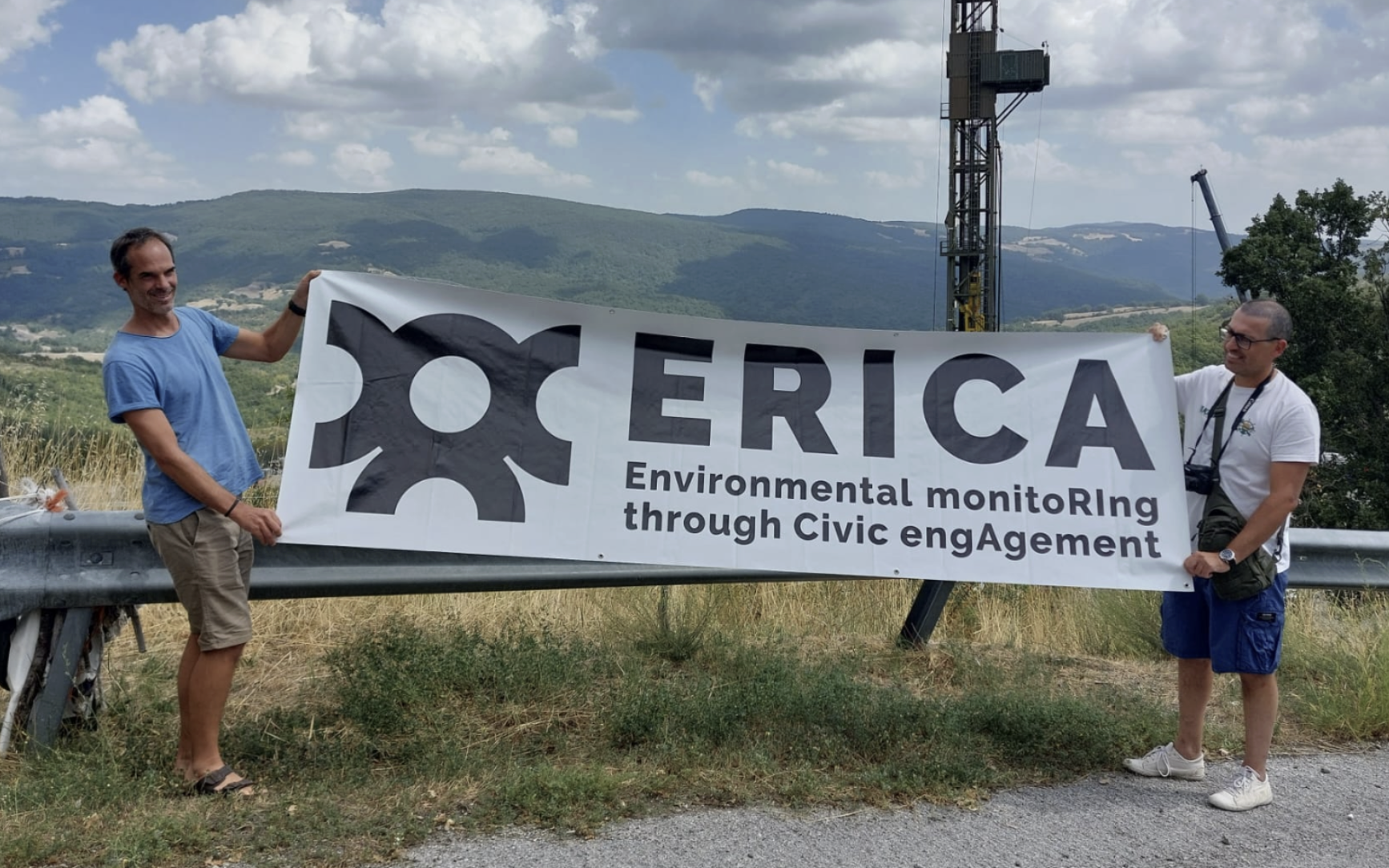
At the beginning of September, the partners of the ERICA project met in Basilicata, Southern Italy, for the project’s final in-person meeting.
After almost three years of collaboration across Europe, the three-day meeting offered an opportunity to look back at the work carried out, discuss the results of the pilot activities and, most importantly, bring the conversation back to the territories at the centre of the project.
ERICA – Environmental monitoRIng through Civic engAgement – is an Erasmus+ project that aims to strengthen citizens’ capacity to understand and monitor the environmental impacts of fossil fuel industries through citizen science. The project has brought together universities, civil society organisations and technical partners, working across three pilot areas affected by fossil fuel-related activities: Tarragona in Spain, Eastern Wielkopolska in Poland and Basilicata in Italy.
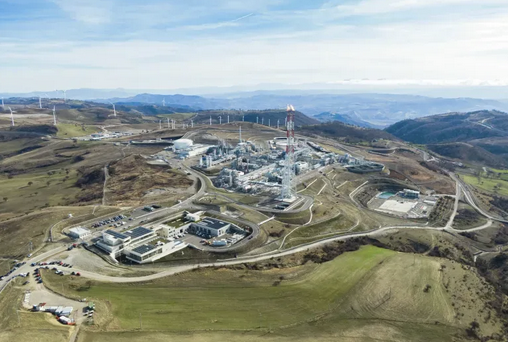
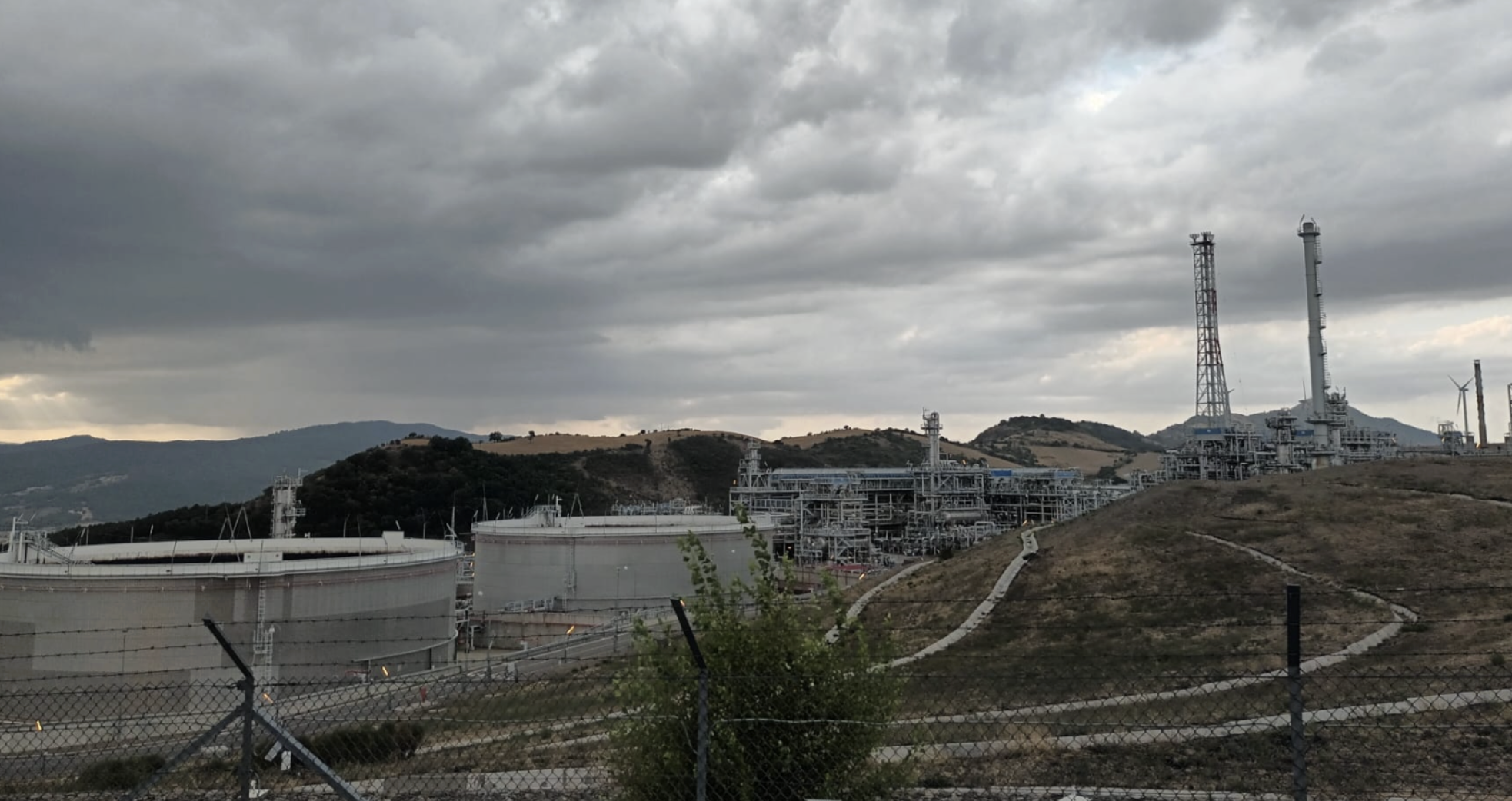
The final meeting was not limited to presentations and project discussions. Partners travelled across different areas of Basilicata, visiting Tempa Rossa, Viggiano and the Val d’Agri, as well as Pisticci. These field visits offered the opportunity to observe some of the industrial and environmental contexts that have shaped the Italian pilot and to exchange perspectives with local actors and communities.
For Source International, Basilicata is also a territory where environmental monitoring and community engagement have a longer history. Through ERICA, this experience contributed to a broader European reflection on how citizen science can make environmental information more accessible and help communities transform data into knowledge that can support public awareness, advocacy and participation in decision-making.
One of the main results of the project is the ERICA e-learning platform, which will remain available beyond the formal end of the project.
The free online platform provides a structured learning pathway for anyone interested in approaching citizen science and participatory environmental monitoring. Its three modules cover the fundamentals and different modes of citizen engagement, technologies and tools for monitoring air, water and soil, and the crucial step of transforming environmental data into actionable knowledge.
The platform combines theoretical content, practical examples, videos, case studies and accessible monitoring approaches, with the aim of making citizen science useful not only to researchers, but also to communities, activists, students and organisations interested in understanding what is happening in their territories.
ERICA will officially come to an end in October 2026, but one of its central goals has always been to create tools and knowledge that can continue to be used beyond the lifetime of the project.
The final meeting in Basilicata therefore represented not only the conclusion of a shared European journey, but also a moment to ask what comes next: how can the knowledge, methods and relationships built through ERICA continue to support communities in observing their environment, producing evidence and taking a more active role in environmental decision-making?
Explore the ERICA e-learning platform and start your citizen science journey, follow this link: ERICA comes to its final stage: three days in Basilicata to reflect on citizen science and environmental monitoring