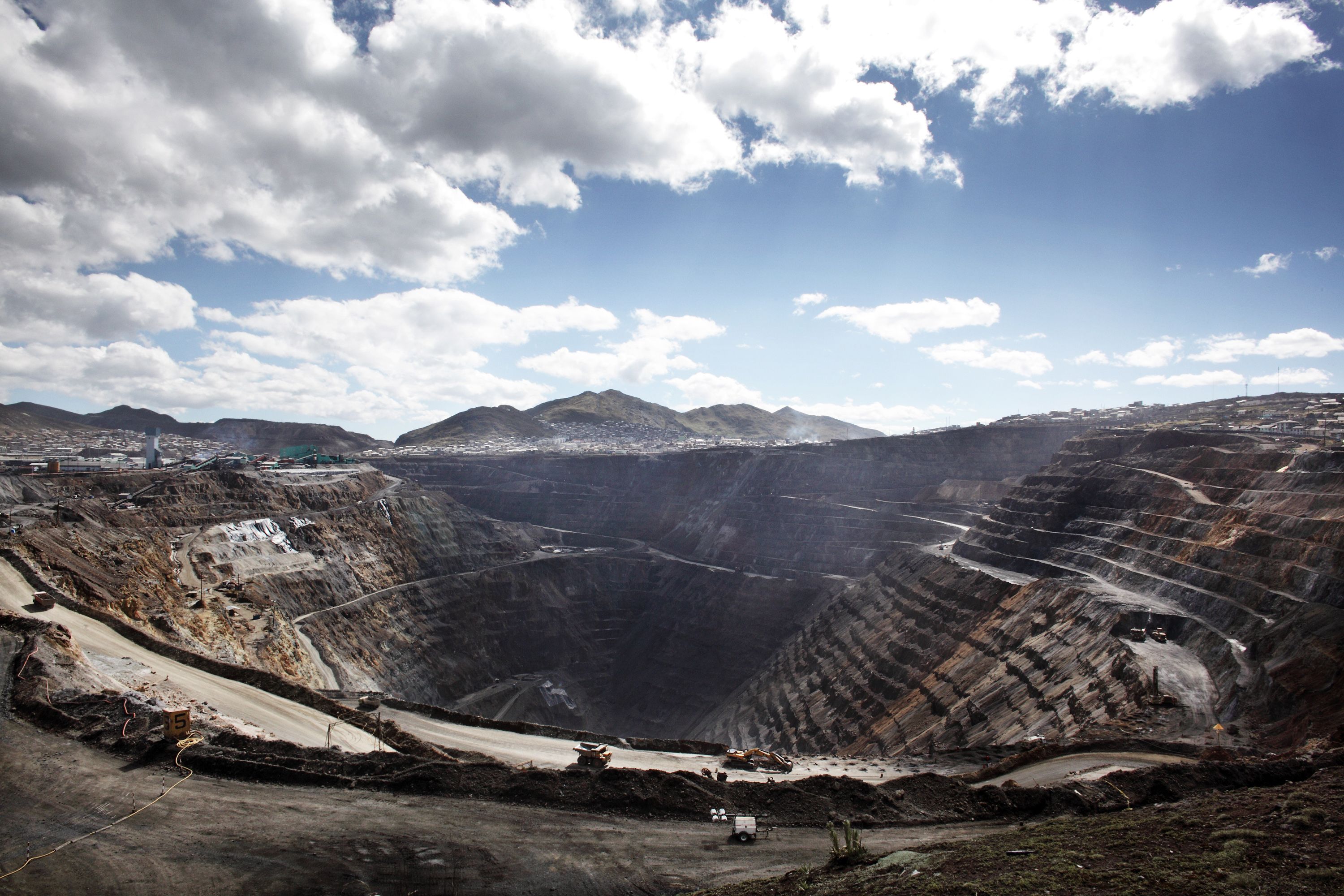
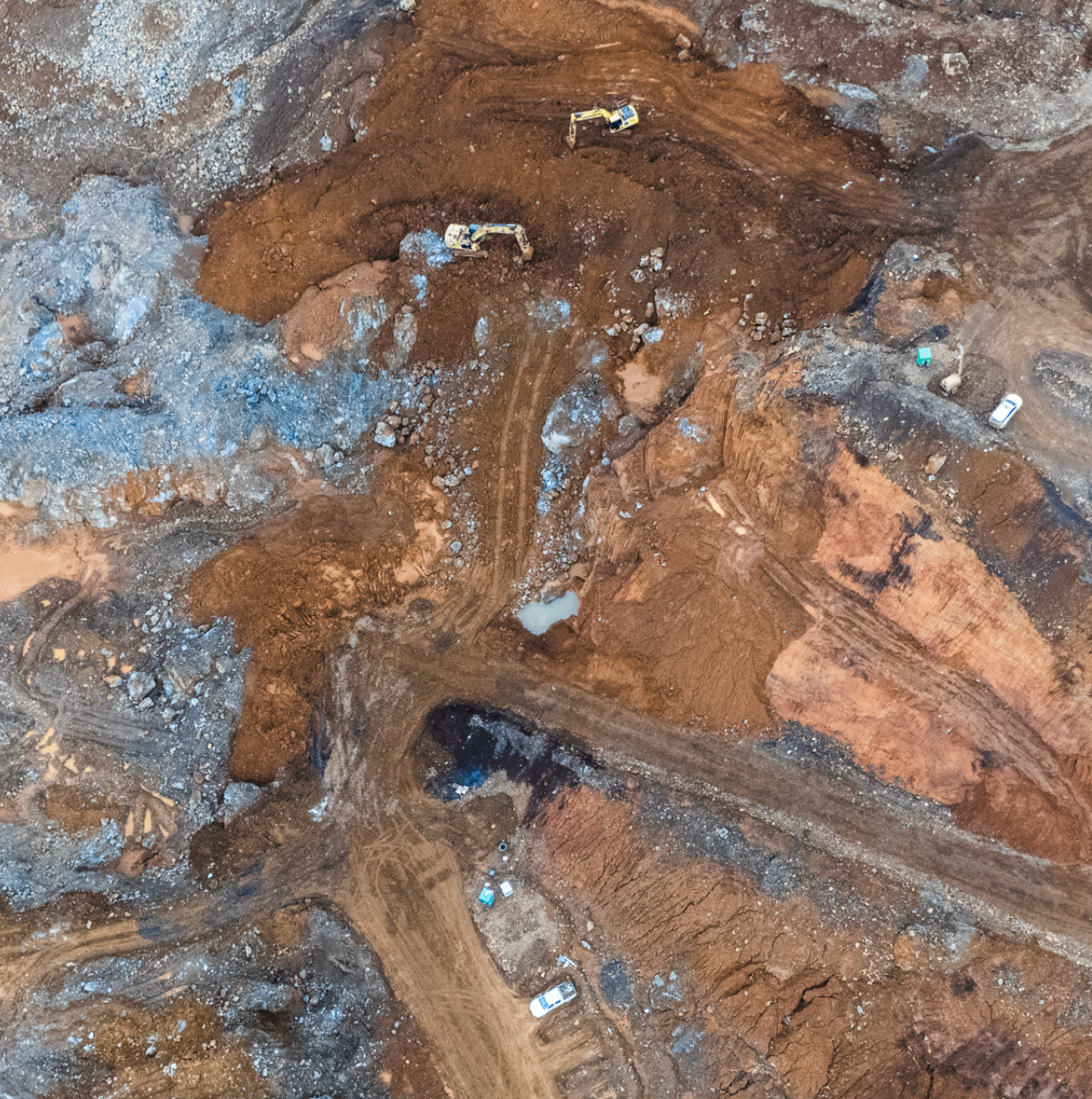
Cerro de Pasco, November 10, 2026. Mining and mineral processing, together with inadequate management of mining waste, have caused a severe accumulation of heavy metals in the air, soil and water sources, seriously damaging the environment and threatening the health of Cerro de Pasco’s residents.
Given the severity of the situation, the Provincial Municipality of Cerro Pasco has filed a constitutional rights protection action (amparo), seeking to hold companies belonging to the Volcan mining group accountable for the harm caused to the environment, life, health and fundamental rights of Cerro de Pasco’s residents.
What are heavy metals?
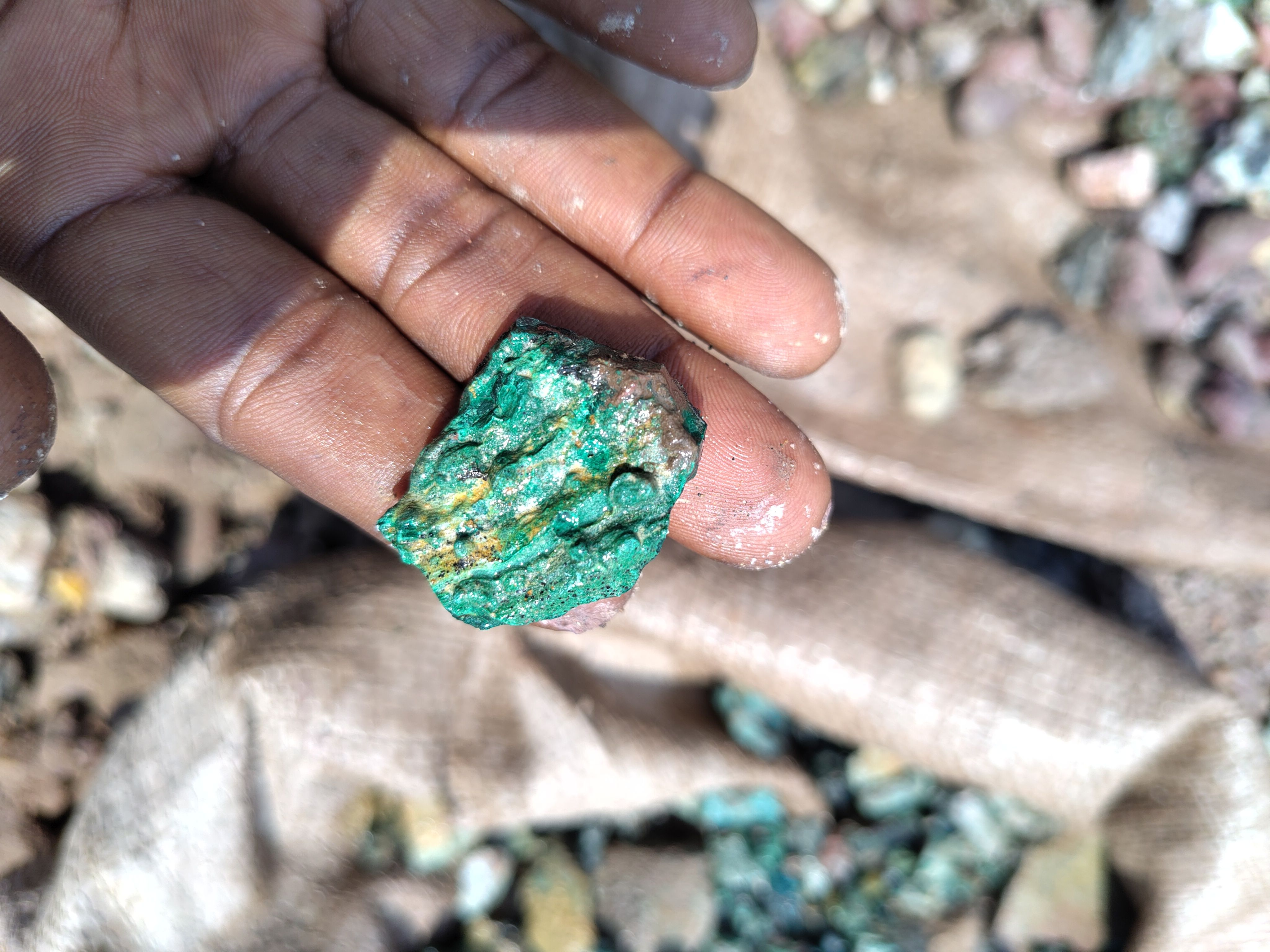
Heavy metals are naturally occurring chemical elements with a high density that are highly toxic to living organisms, even at very low concentrations. They do not break down naturally and can remain in the environment for hundreds of years.
The accumulation of these metals in the body can cause irreversible health damage and chronic diseases, including cancer, anaemia, hypertension, diabetes, kidney failure, osteoporosis, lung diseases and infertility. They pose a particularly serious risk to children, affecting their cognitive development and reducing their intelligence quotient (IQ).
Key aspects of the lawsuit:
Defendants: Volcan Compañía Minera S.A.A. and its subsidiaries: Administradora Cerro S.A.C., Minera Paragsha S.A.C. and Óxidos de Pasco S.A.C.
Claimant: The Provincial Municipality of Pasco, represented by Mayor Julio César Rupay Malpartida and the Municipal Public Attorney, Dr Darwin Alejandro Ramón Yalico.
Purpose of the lawsuit: To secure environmental remediation and the adoption of measures by the companies to prevent recurrence.
Filing date: 28 May 2026, before the First Constitutional Court of the Superior Court of Justice of Lima.
Current status of the proceedings: A hearing before the judge took place on 29 October.
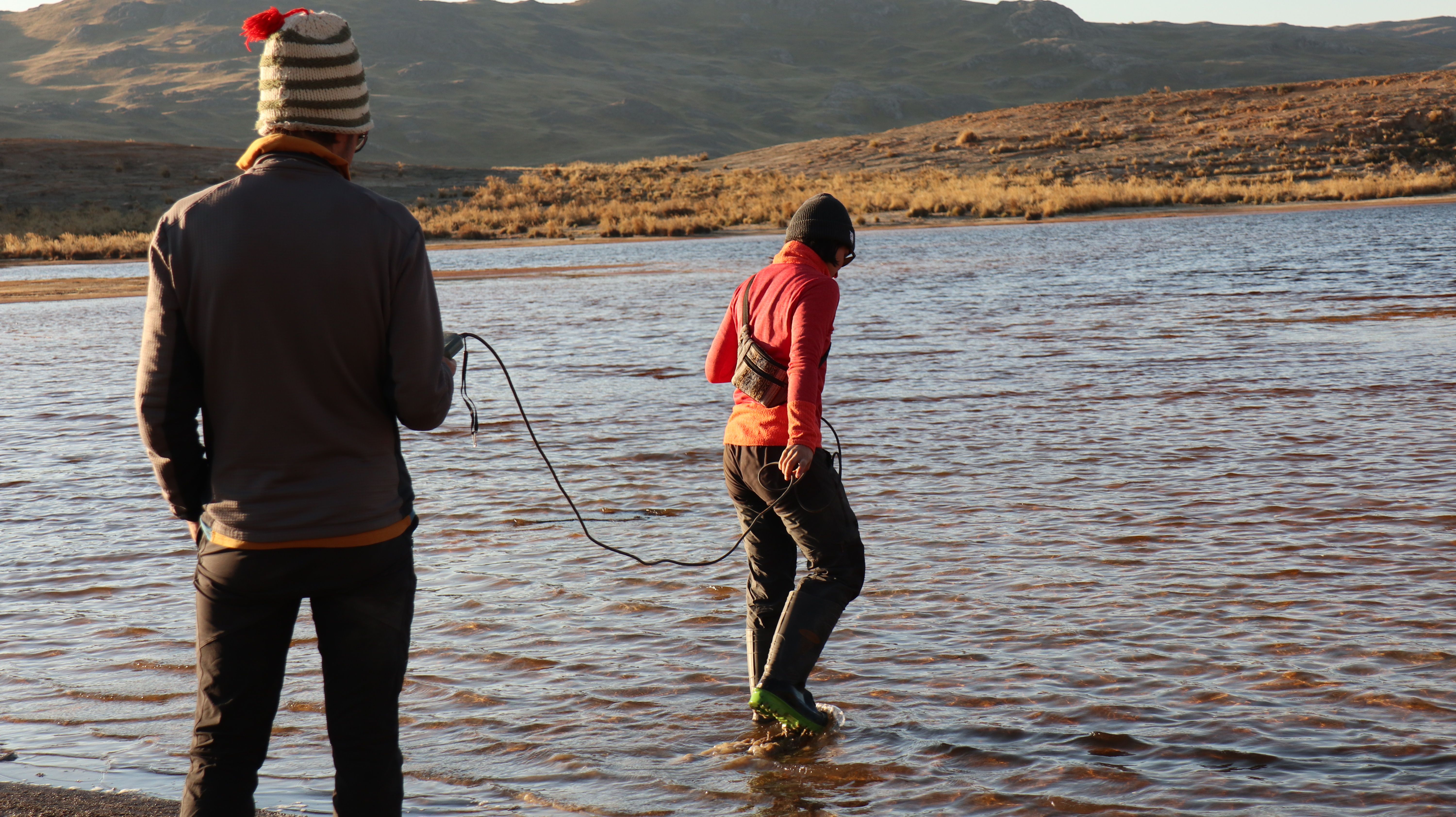
Organisations supporting the legal action: EarthRights International (ERI) provides legal counsel, supported by scientific evidence collected by Source International and the Centro de Cultura Popular Labor.
Main remedial measures requested:
An environmental assessment and an action plan to clean up the affected areas.
Decontamination of the Tingo, San Juan and Ragra rivers, together with the Quiulacocha and Yanamate lakes.
Specialised medical assessments for the population.
Free, comprehensive healthcare for children and people in situations of heightened vulnerability.
Measures to prevent recurrence, ensuring that the defendant companies change their practices and the way they conduct their activities, in order to stop the pollution caused by their mining operations.
Pollution levels in Cerro de Pasco
Scientific studies conducted by our scientific team tbetween 2009 and 2024 demonstrate critical levels of heavy metal pollution exceeding Peru’s Environmental Quality Standards (Estándares de Calidad Ambiental, ECA) and international limits.
Quiulacocha Lake: Used as a tailings disposal site, it has manganese concentrations 46,666 times the legal limit established by the ECA for environmental conservation.
Yanamate Lake: Iron concentrations are 1,189 times, aluminium concentrations 1,379 times and zinc concentrations 72 times the limits established by the World Health Organization (WHO).
Confluence of the Ragra River with effluent from the Ocroyoc tailings storage facility: Manganese concentrations are 95 times the Maximum Permissible Limits (Límites Máximos Permisibles, LMP), while zinc concentrations are 91 times the permitted levels for the protection of ecosystems and human health.
José Carlos Mariátegui Park, in the settlement of Paragsha: On the football pitch and volleyball court, lead levels exceed the ECA by 4,200%.
Quiulacocha football pitch: Lead levels exceed the ECA by 536%, and arsenic levels by 340%.
Educational Institution No. 34037 in Champamarca: Eighteen heavy metals were detected: lead, arsenic, mercury, cadmium, chromium, copper, zinc, antimony, tin, manganese, nickel, thallium, iron, vanadium, aluminium, barium, cobalt and molybdenum. Lead levels exceed the ECA by 164%, and arsenic levels by 84%.
Main health impacts
Our investigations revealed that a large proportion of Cerro de Pasco’s population has high concentrations of heavy metals, including lead, arsenic, mercury, cadmium, chromium, copper, zinc, antimony, molybdenum, manganese, iron, tin, nickel, thallium, vanadium, aluminium, barium and cobalt.
According to the World Health Organization (WHO) and the Agency for Toxic Substances and Disease Registry (ATSDR), heavy metals can cause serious health damage, including:
Lead: Brain damage, attention deficits, learning difficulties and permanent neurological effects in children. The WHO has stated that there is no safe level of lead exposure for humans.
Cadmium: Progressive kidney damage, bone fragility and a risk of cancer.
Arsenic: Skin lesions, cancer, cardiovascular problems, diabetes and cognitive impairment.
Manganese: Disruption of brain development in children, affecting learning ability and memory.
Further information and contacts
Source International is a non-profit organisation that supports communities affected by pollution through independent scientific investigations, environmental monitoring and technical assistance to help protect their health, environment and human rights. Further information about our work in Cerro de Pasco, including the scientific reports, is available on the project page. For enquiries or additional information, please contact Flaviano Bianchini, founder and director of Source International, via email (flaviano@source-international.org) or phone (+39 328 486 1863).